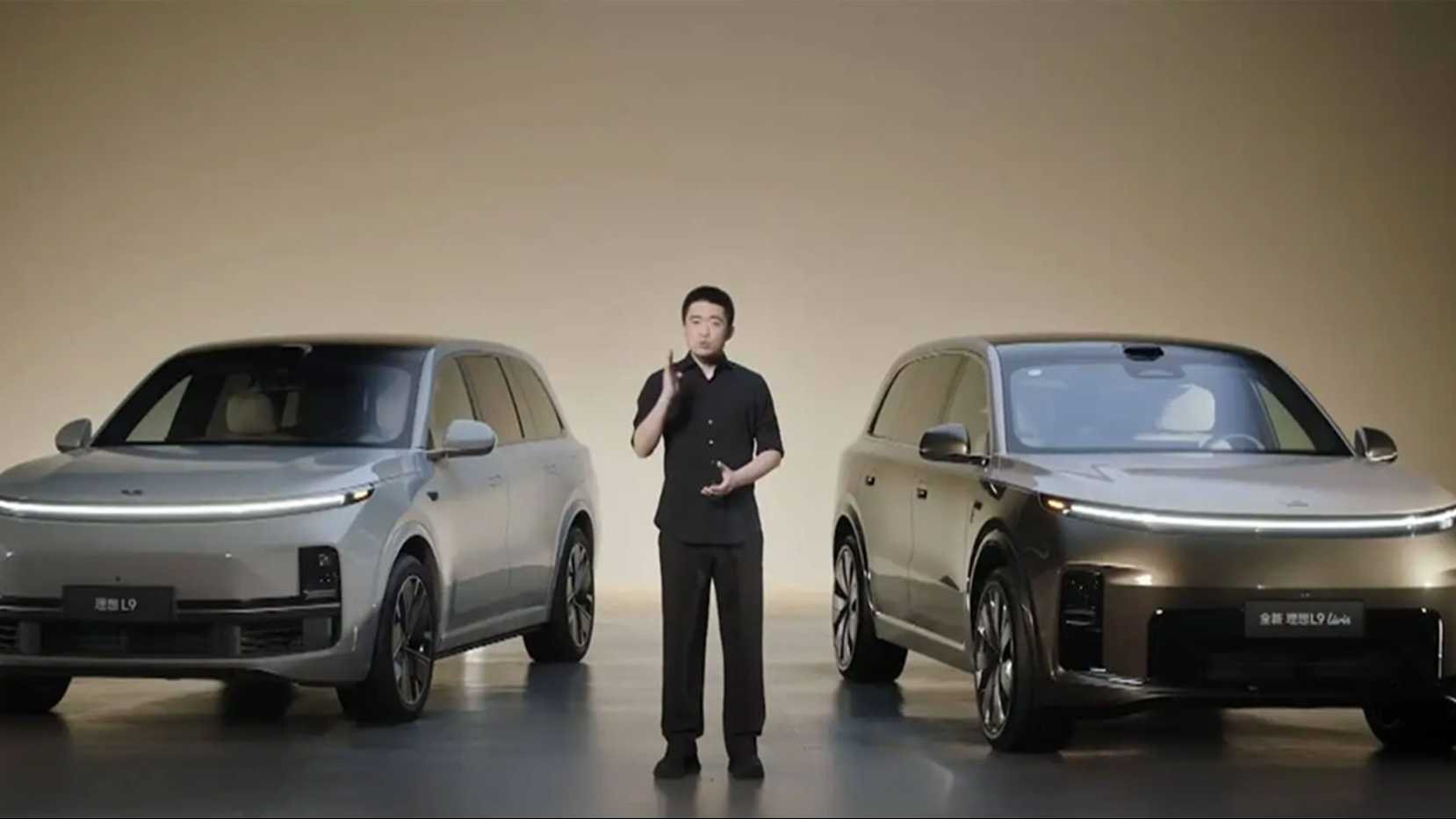
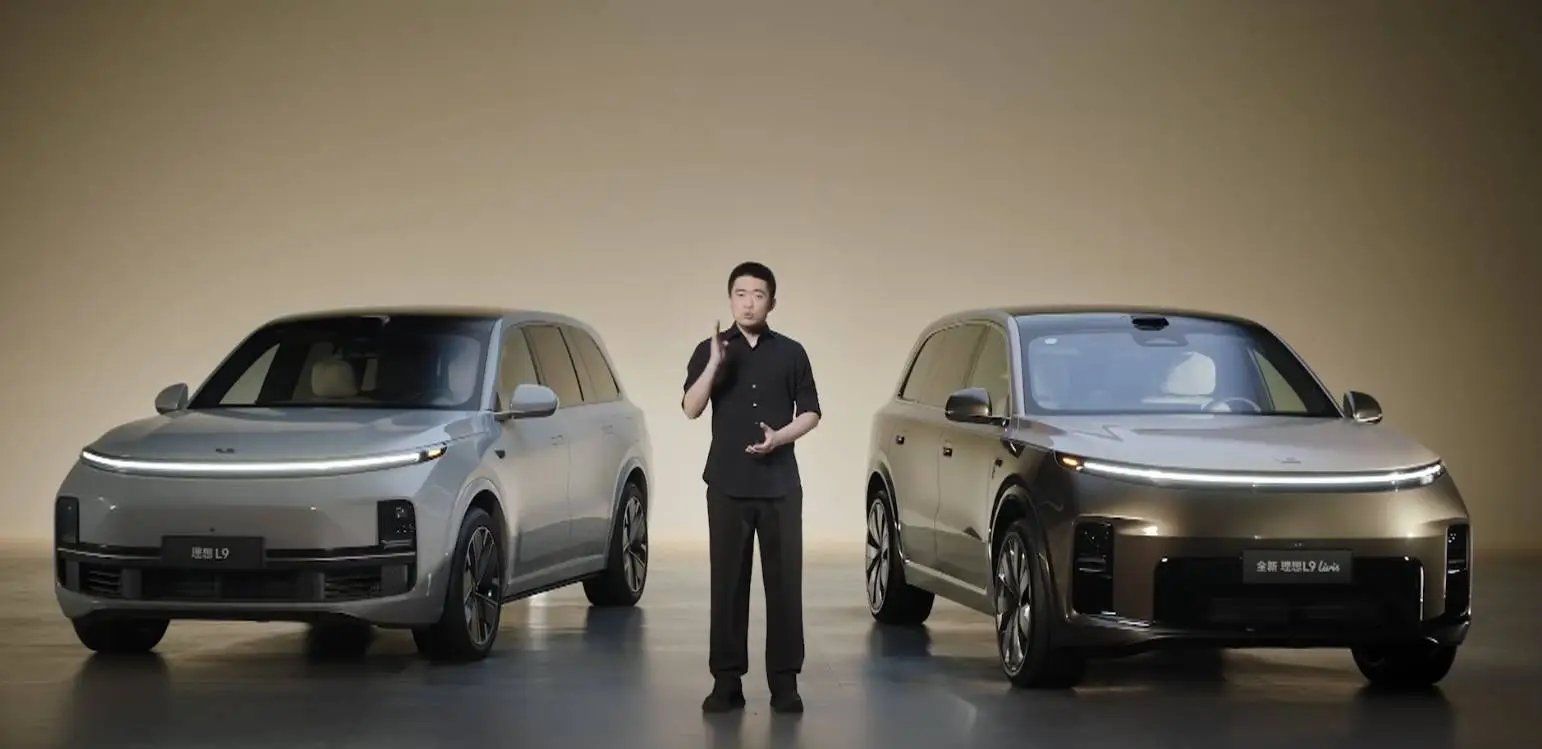
Recently, quite a few friends have been asking in the comments: now that the Li Livis is out, and you previously recommended the Volkswagen ID.ERA 9X, which of these two cars should we actually choose?
This question is actually hard to answer, because the core issue is that the price ranges of these two cars are very different. However, we got test-drive cars for both, and ran them in the city, on the highway, on rough roads, and fully loaded. So as for how to choose, we actually also have a conclusion: it may be different from what you think—the price gap is as high as nearly 200,000, but the difference in experience is far smaller than the price gap, and in several key dimensions, the cheaper Volkswagen ID.ERA 9X actually wins. Come on, let's take a closer look.
1. The standard experience across the lineup is excellent, and the smart driving is not bad to use
Many people's first reaction: if it's 200,000 cheaper, then there should be a 200,000-level difference in experience. But in reality, when we actually use and drive them, the difference is not that huge.
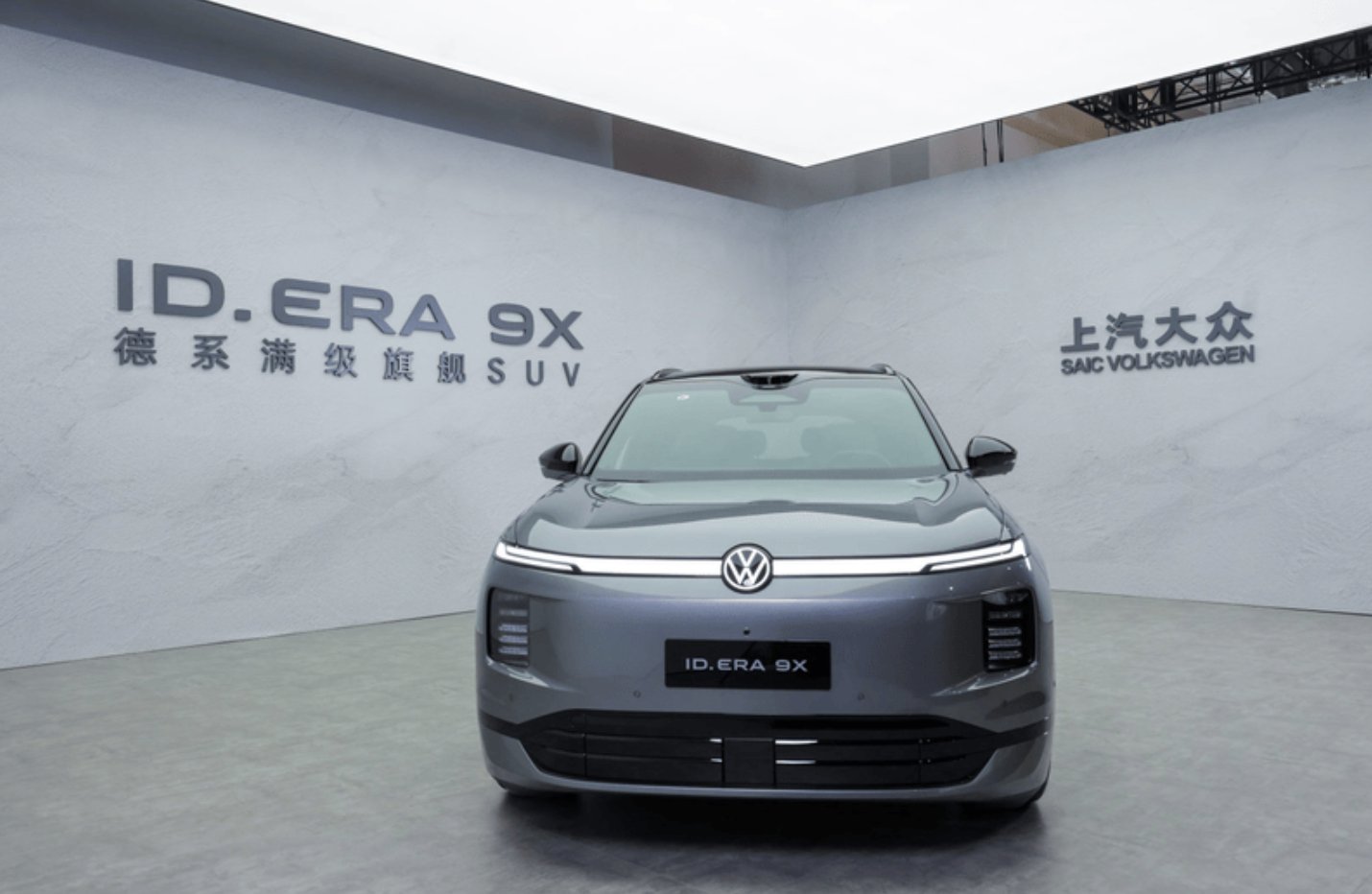
The Volkswagen 9X comes standard across the lineup with: four-wheel drive, active rear-wheel steering, lifetime usage rights for Xingyun Smart Driving, and a zero-gravity passenger seat. On the Li L9, these are either only available on the higher-trim Livis, or at least on Ultra and above, while they cannot be seen on the Pro model.

A personal experience: we drove 40 kilometers on Beijing's East Fourth Ring Road during evening rush hour with the Volkswagen 9X's smart driving enabled, and car-following, lane changes, and merging onto ramps were all very stable, with almost no tense moments requiring takeover. To put it this way, this Momenta R7 reinforcement-learning large model truly deserves to be a first-tier smart-driving experience in the industry, and we were basically very satisfied. It is also a leading smart-driving performance in the entire 300,000-400,000 range. As for the Li L9 Livis, what we participated in was the official smart driving, and this AD MAX system was already available on the 2025 Li L9. The experience now is also very usable, but in any case they are both first-tier. Although there was no manual intervention, you also cannot completely rely on smart driving.
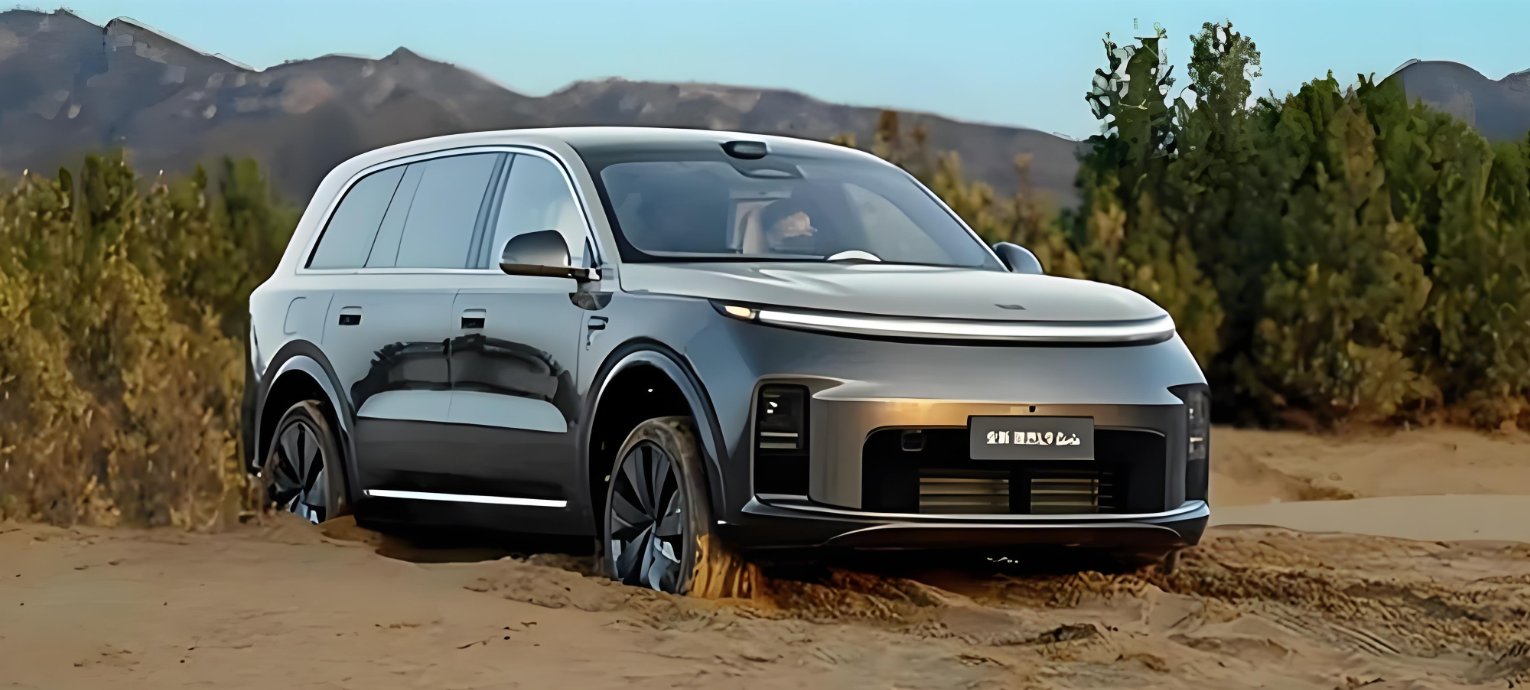
To be fair, this was not a test experience in the same scenario, so it cannot be said to be completely worth using as a reference. But objectively speaking: at this stage, the smart-driving experience of the two cars has no essential gap in 95% of daily scenarios. This question is like asking, "Is the Li L9 Livis smart driving as free as the Volkswagen 9X?" On the surface, both are free, but in reality, it cannot be understood that simply. Regardless of whether it is the all-new Mach 100 dual chip or the all-new Momenta R7 large model, everyone is "not looking at parameters but at results." On this point, judging only by smart-driving performance, there is not much difference.
2. Chassis and driving control: million-level hardware standard across the lineup, but tuning is the real skill
This is the part that best reflects professional expertise, and also the part with the biggest difference in experience during the test drive.
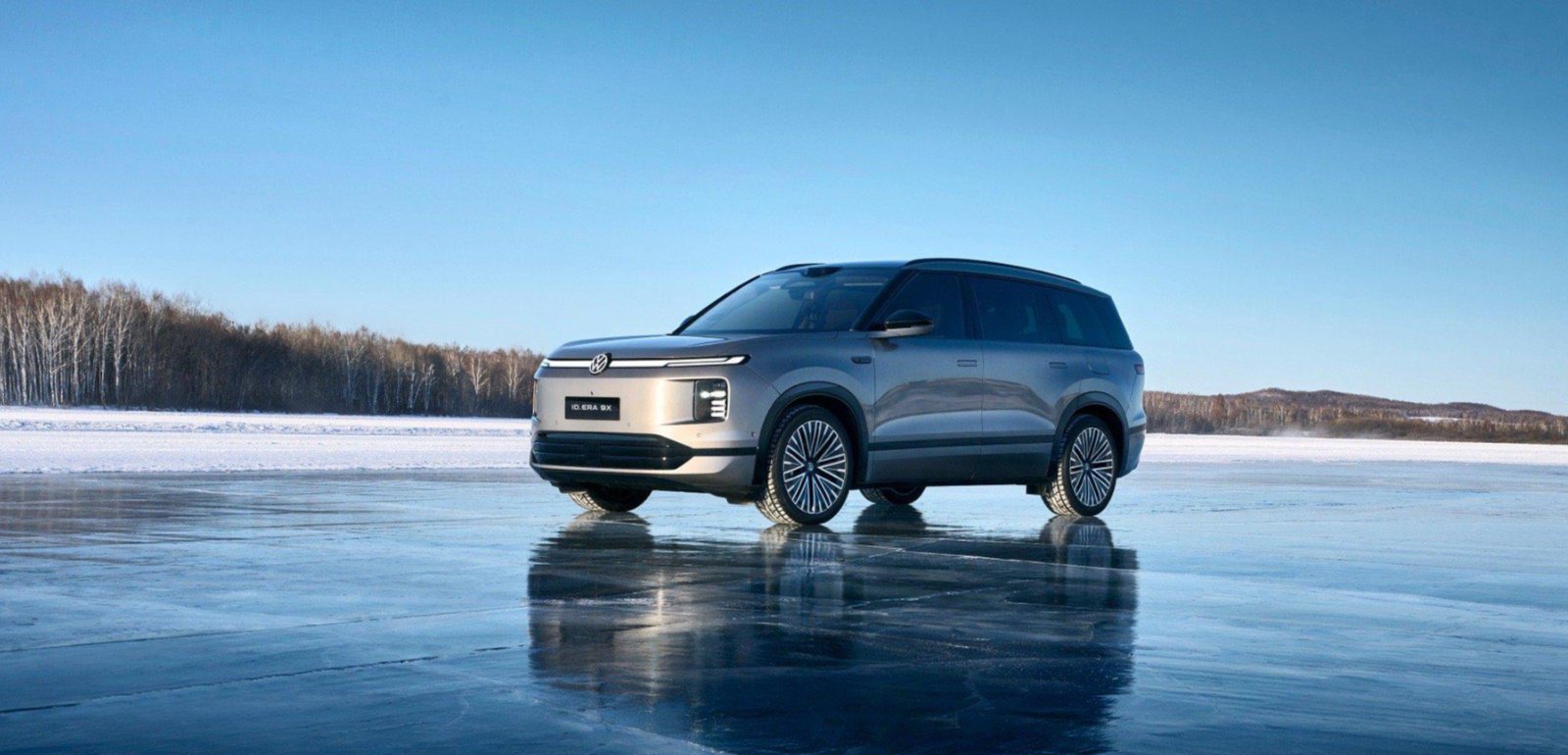
The Volkswagen 9X comes standard across the lineup with front double wishbone + rear five-link all-aluminum suspension, dual-chamber air suspension, DCC electronically controlled damping, plus ±10° active rear-wheel steering. This hardware used to appear on million-level luxury cars. But from the perspective of automotive engineering, hardware is only half of it; tuning is the soul. Volkswagen's decades of accumulation in the chassis field are reflected in the Volkswagen 9X as follows: when going over large bumps, it is clean and decisive, with no extra shaking; when changing lanes at high speed, body roll is controlled very restrainedly. Combined with rear-wheel steering, a large 5.2-meter car has a turning radius of only 4.85 meters—in our actual test, making a U-turn on a two-way four-lane road was done in one go, more agile than many A-segment sedans.
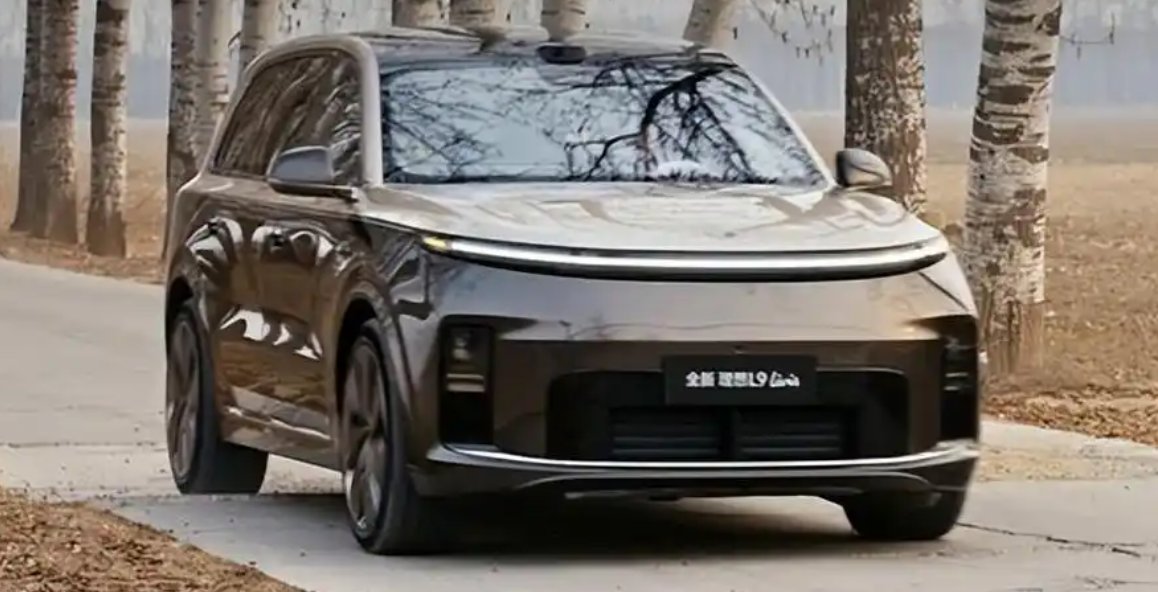
Now look at the Li L9 Livis's fully active suspension and steer-by-wire. Its technological foresight is worthy of recognition, and the actual experience really is "like walking on flat ground," and indeed, as demonstrated, body roll is very small and almost negligible. But as a professional review media outlet, we must point out: this year, not only Li Auto, but also BYD, NIO, Lynk & Co, and many others have already shown a "blowout" of "active suspension" technology. This means that although it is indeed the next generation of chassis control technology, there is no strict moat. Moreover, these technologies have not yet been verified through large-scale, long-mileage real-road conditions. If active suspension continues to become more widespread next year or even the year after, then such a high price premium cannot be maintained.
The thinking here becomes: should you buy mature chassis technology at this stage for a cheaper price, or pay a premium to buy a new chassis technology that is destined to become widespread within the next 2-3 years.
3. Long-termism: resale value and reliability are not metaphysics
Finally, let's talk about resale value and failure rate. This is not metaphysics, but something supported by data, and it also conveniently answers questions like "Which has higher quality control, the Volkswagen 9X or the Li L9 Livis?"

From experience: we have tracked the used-car market for models under the Volkswagen brand, and the three-year resale value is generally 10-15 percentage points higher than that of new forces at the same price. The Volkswagen 9X inherits Volkswagen's globally unified quality control system. The EA211 range extender has a global installed volume of more than 25 million units—this number means that any potential reliability issue has already been fully exposed and resolved. This means that even as a new model now, the Volkswagen 9X is very likely to have excellent resale value and reliability in the future.
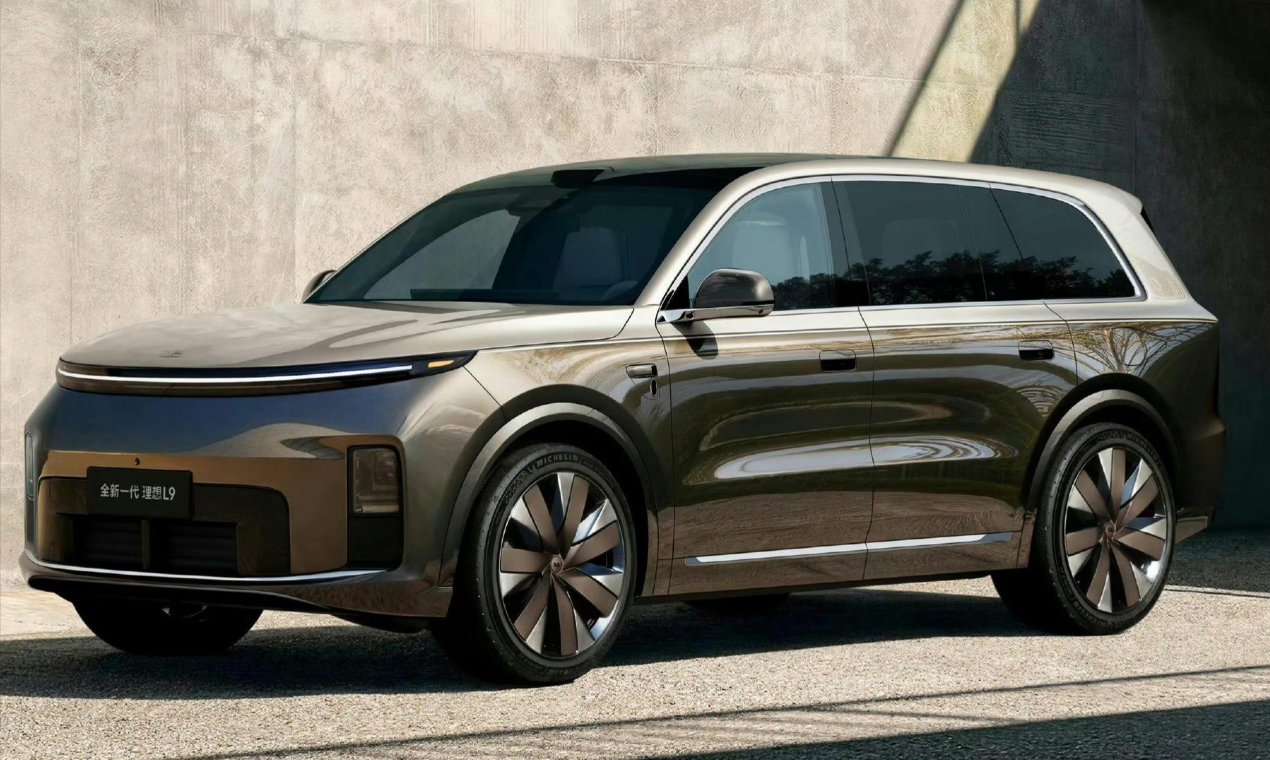
In contrast, look at Li Auto. After the new-generation L9 Livis appeared, according to information on portals such as Autohome, older models such as the old Li L9 were instantly "discontinued," and the price of the 2025 Li L9 in the used-car market quickly plummeted within a week. A veteran Li L9 owner we know had driven his for less than a year, and because of the current L9 Livis and the new L9 Ultra, it instantly dropped by more than 100,000 on the used-car dealer side. In addition, older Li L9 models also had some past minor issues including lower control arms, and the number of complaints on third-party complaint platforms is noticeably high. If you plan to hold it for more than 5 years, these hidden costs must be factored in.
Summary: With a price gap of nearly 200,000, we need to clarify our thinking
Which brand is more trustworthy, Volkswagen or Li Auto? This question actually has an answer, yet also no true answer. But you can first do the math: the Li L9 Livis first-sale period benefit price is 489,800 yuan, while the SAIC Volkswagen Volkswagen 9X limited-time benefit price starts at 299,800 yuan. The price difference is close to 200,000. As an editor who has reviewed hundreds of cars, I can responsibly say: for SUVs at this level, a price difference of 200,000 is already enough to change the purchase decision.

From the perspective of automotive industry cost analysis, a large part of the Li L9 Livis's nearly 200,000 higher price goes toward: new-generation smart-driving hardware (perception + computing power), investment in future competitive product strength, and relatively aggressive R&D amortization. For current users, these have not directly translated into a higher level of driving feel and experience in daily driving.
The cost distribution of the Volkswagen 9X, however, is very clear: the three-electric system, chassis hardware, and comfort features standard across the entire range. We talked with Volkswagen engineers, and their positioning for the Volkswagen 9X is "spend money where users can perceive it every day." This is a pragmatic engineering philosophy, and it also explains why it can start at 299,800 yuan.
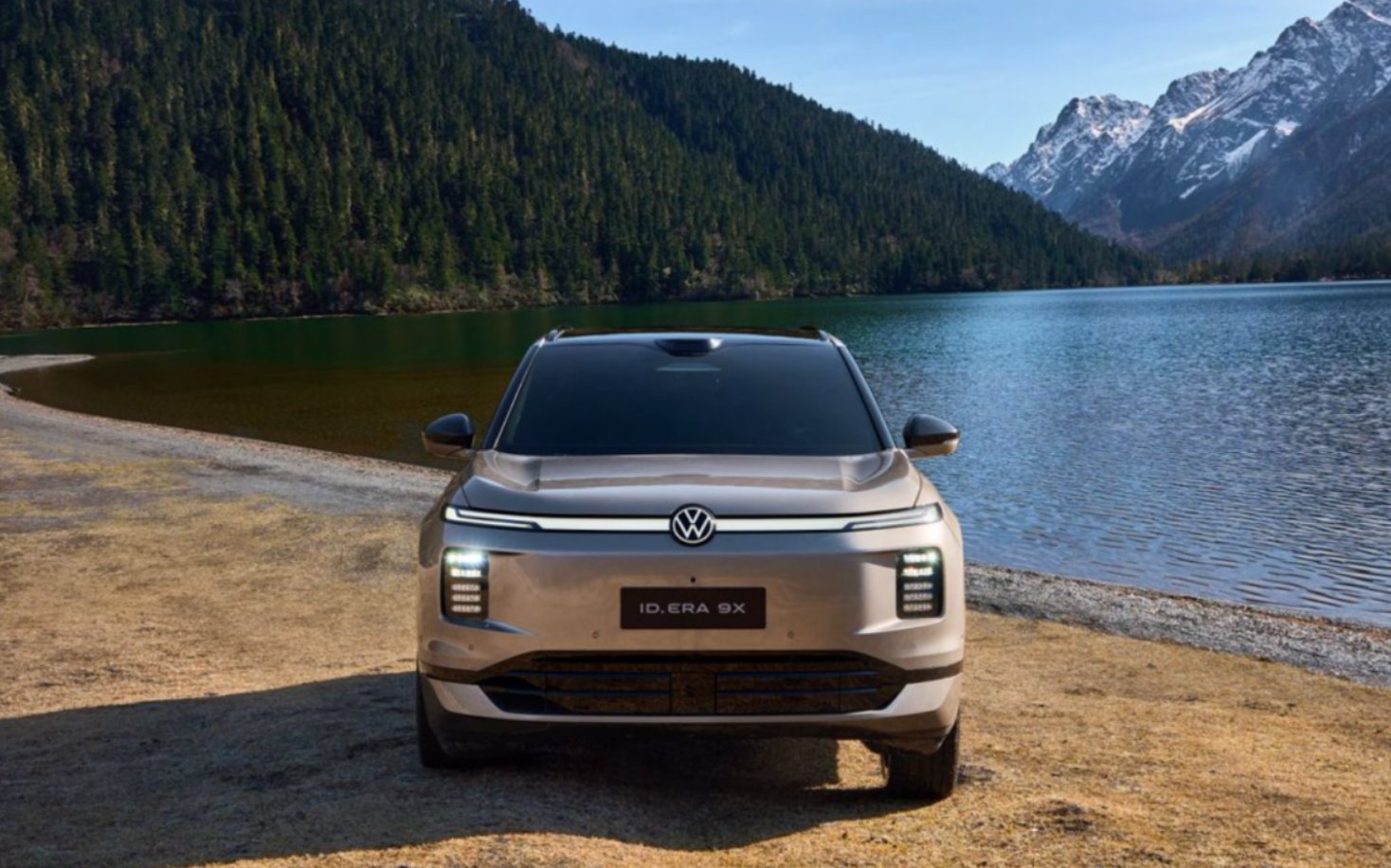
It is not saying that expensive is necessarily good or bad, but as consumers we have to ask: what does this 200,000 actually bring you? If what you need is a family main car that drives smoothly, sits comfortably, has all configurations in one step, and is worry-free and value-retaining over long-term use, then the Volkswagen 9X is undoubtedly the choice that spends money where it counts. If you can afford the all-new experience brought by the Li L9 Livis, and firmly want to pursue enjoying a more advanced experience, then the Li L9 Livis is indeed also worth your choice.
Note: The images in the article are from the internet and will be deleted if infringing! Written impromptu without review; please forgive any errors or omissions!


