Brothers and sisters, today let's have an open and honest chat about some truths regarding pure electric cars.
What do you buy an EV for? For its quietness, saving money, and fast acceleration. But after buying one? Haven't you also been tormented by these few "ancestors": in the dead of winter, watching the battery level drop while charging is as slow as a snail, freezing and shivering; on a highway trip, your eyes are busier than the navigation, constantly watching the range, afraid that the next service area is the endpoint; finally enduring until the service area, and good grief, the charging stations are full of fellow car owners "crying for feeding," and waiting for an hour or so is commonplace.
This is not buying a car, it is simply bringing home an "electric ancestor" to enshrine.
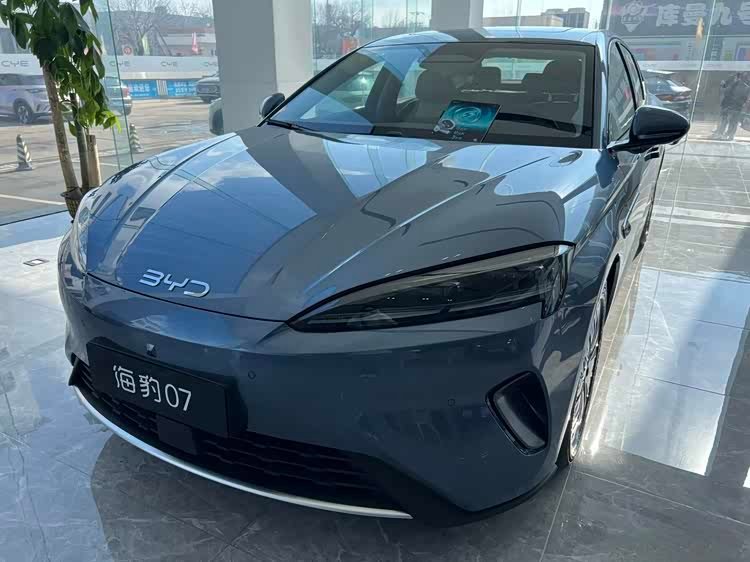
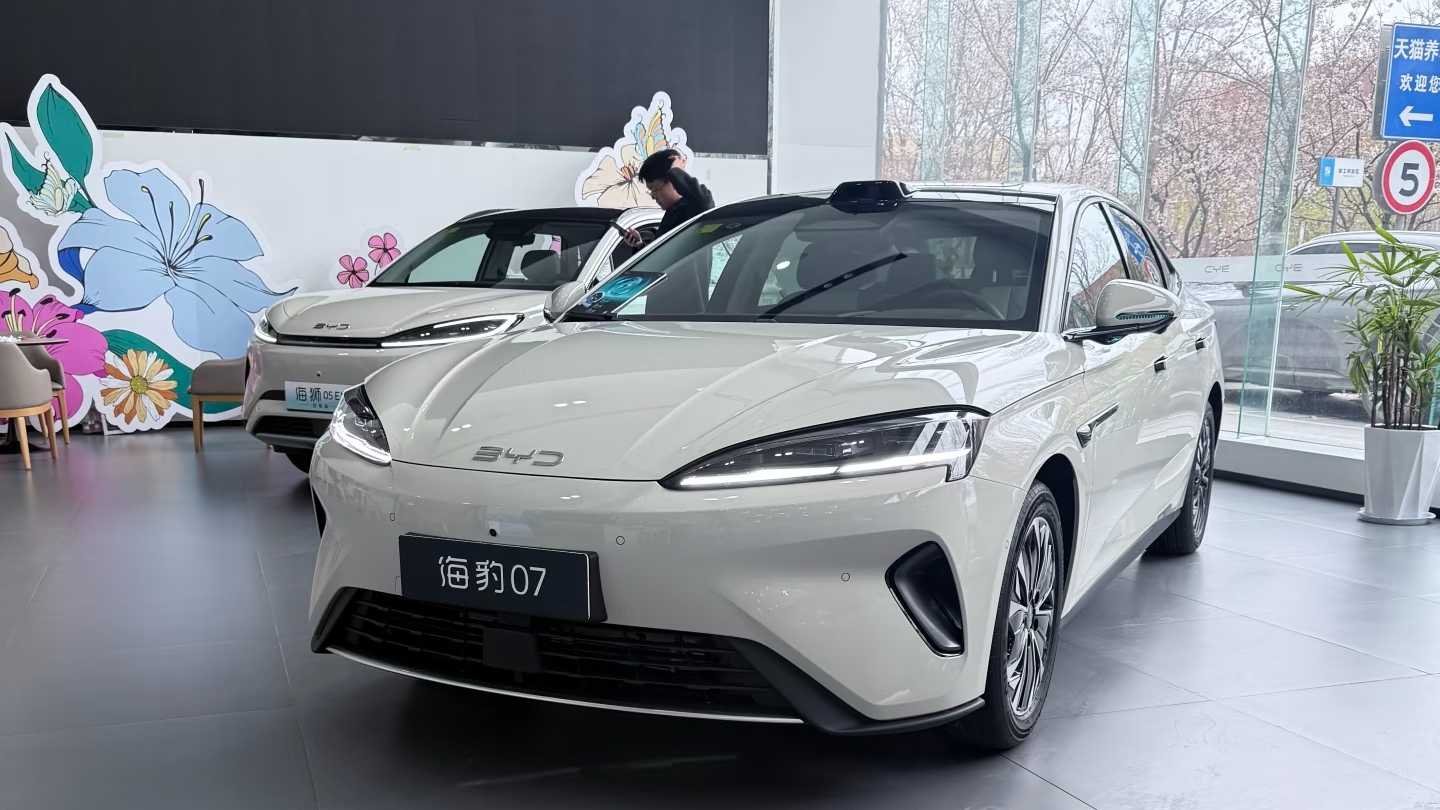
So, when BYD unveiled the Seal 07EV Flash Charge Edition and shouted "9-minute flash charge" and "705km range," everyone's eyes lit up. But immediately after, they began to mutter inwardly: is this thing truly great, or is it another big pie drawn by the manufacturer? Online reviews are polarized, with some saying it is a divine tool for commuting and others saying it is marketing talk, making people even more conflicted.
Today, we stand from the perspective of an ordinary consumer, neither praising nor bashing, like friends chatting, and take this car apart inside and out to explain it clearly to you. We will focus on the few points you care about most: how fast is charging really? Is the range inflated? Is the chassis comfortable to sit in? Is the space enough? Is the money worth spending? All in plain language, to help you make a decision you will not regret.
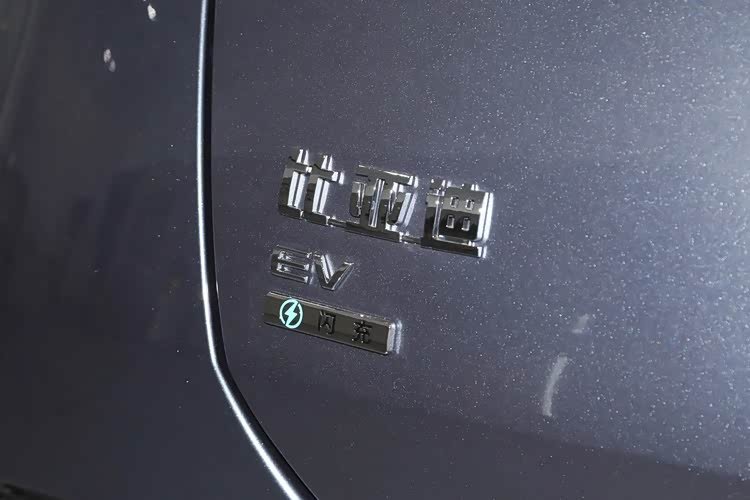
Charging: 5 minutes to "recover" 70%? Is this magic or reality?
Let's first talk about this most intoxicating flash charge. After all, whether charging is fast directly determines your happiness when driving out.
The official data is indeed a bit scary: 10% to 70% battery takes only about 5 minutes; from 10% to 97%, it is just a matter of 9 minutes. Many people's first reaction is the same as mine: "Fake, right? Lab data, right? Can it be used in daily life?"
We have to be honest: this speed does indeed have conditions. It can only be achieved on the supporting "flash charging piles." This is like your phone supporting 120W fast charging, but you have to use that specific charging head and cable.
If you use ordinary third-party fast charging piles at highway service areas or on the market, the charging speed will return to normal levels, no different from other EVs of the same class. As for home slow charging piles, let alone that, that is for slowly replenishing energy while you sleep at night, do not expect it to finish in 9 minutes.
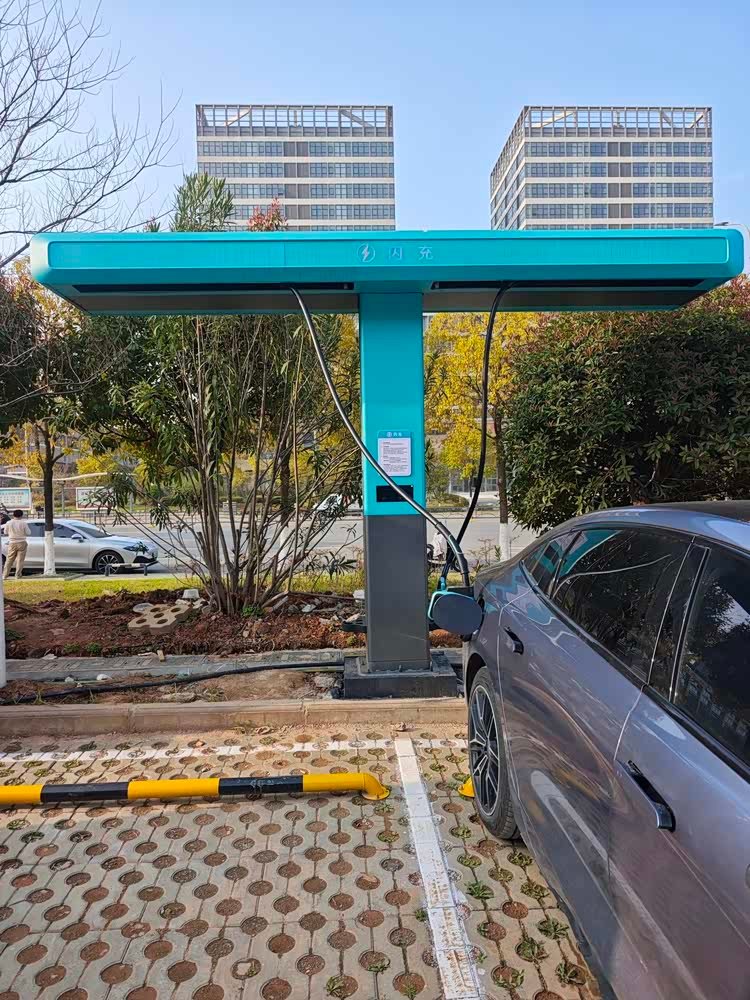
So does that make this "flash charge" just for show? Not entirely.
For friends who often drive long distances, or who cannot install a charging pile at home and need to fast charge outside, this function is an absolute plus. Think about it: in the same service area, others have to squat there scrolling on their phones for an hour, while you may just go to the bathroom and buy a coffee, and the car is already "fully revived." The difference in experience is something you cannot go back from after using it once.
Everyone is also worried about two issues: first, what to do in winter? The official statement says that in an extremely cold environment of -30°C, charging time is only 3 minutes longer than at room temperature. Although ordinary people rarely encounter such extreme conditions, this data at least shows that its performance at low temperatures will not be too poor, so northern friends can relax a bit.
Second, does frequent fast charging damage the battery? On this point, the manufacturer uses the second-generation blade battery, specially optimized for flash charging scenarios. Official testing says that after multiple flash charge cycles, battery performance remains very stable. In normal use, there is no need to be overly anxious, after all, a car serves people, not the other way around, and you should not buy an "ancestor" to enshrine.
A brief summary: this car's flash charging is its sharpest "spear," greatly solving replenishment anxiety. But its power depends on whether you have the "bow" of a "flash charging pile" nearby. Before buying, you might first look at the layout of flash charging piles in the areas you often visit. If coverage is good, then congratulations, you basically bid farewell to charging queues.
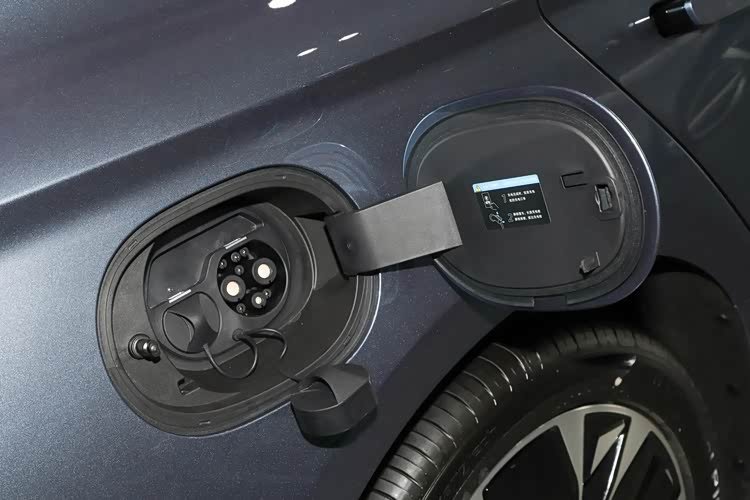
Range: Is 705km "paper data" or "hard currency"?
After charging, let's talk about another core point: range. The 705km CLTC range sounds indeed very tempting, but experienced drivers all understand that CLTC, well, everyone knows, is somewhat "idealized."
So how far can this car actually go in real driving? Let's break it down by scenario:
City commuting: this is its home turf. If you are not the kind of "hot-tempered guy" who floors it and then brakes hard, driving in the city will give a very solid range achievement rate, infinitely close to the official 705km. Commuting to and from work and a weekend trip to the mall basically pose no pressure.
Highway driving: once on the highway, especially maintaining a 120km/h cruise, wind resistance and motor load both increase, so range discounting is normal, and this is the same for all EVs. For example, if it can run 700 in the city, on the highway it can probably run a bit over 500, which is normal performance in its class.
Air conditioning in winter and summer: this is also the "natural enemy" of EVs. Running cold air in summer has a smaller impact, while running warm air in winter, especially seat heating, will visibly shrink range. This is a physical characteristic, not a problem of any particular brand.
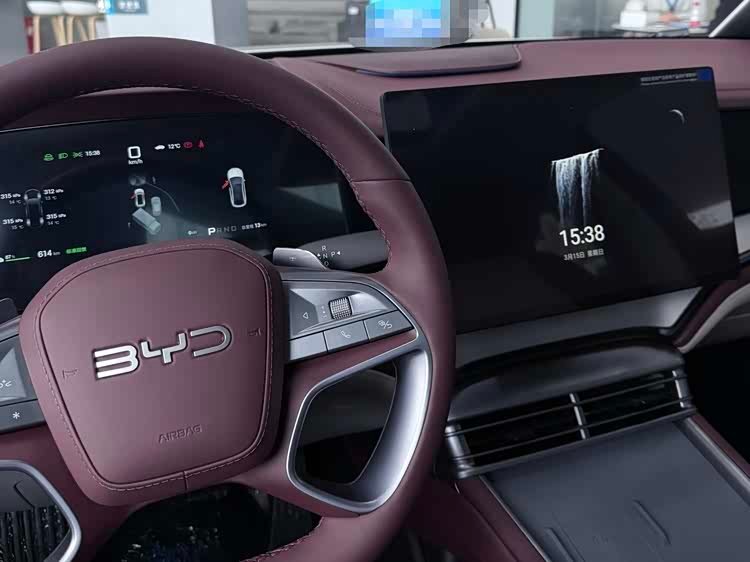
The most reassuring point is that this car's displayed range is very honest, with "linear battery drop," and it will not show the situation where the first half holds up firmly and the second half suddenly collapses. It lets you have confidence in your heart, knowing how far the remaining charge can still take you, without having to stare at the dashboard anxiously all the time.
Overall, with the foundation of 705km plus the support of flash charging, it can already let you bid farewell to "range anxiety." What you need is only to view it rationally: in the city it is a dragon, on the highway it also does its best, and in extreme weather everyone is the same.
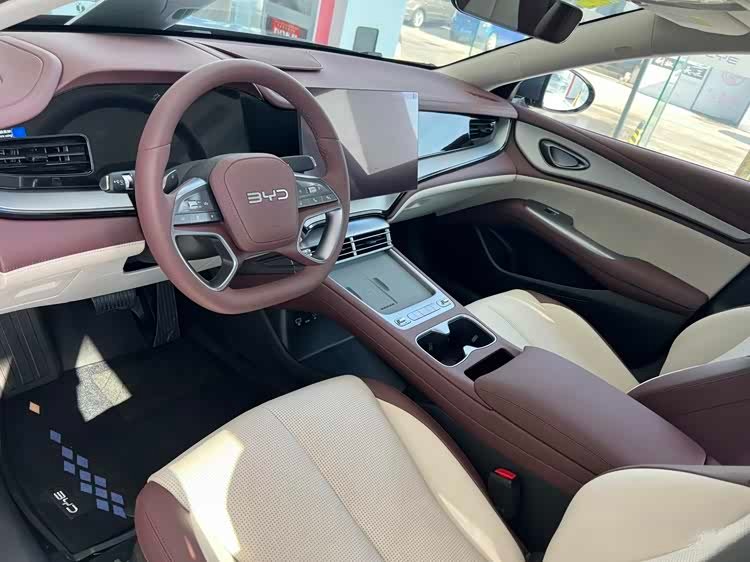
Driver assistance: Is it necessary to spend an extra 20,000 to get the top trim?
Next let's talk about driver assistance. This thing, many people want to use it but do not dare to.
The Seal 07EV Flash Charge Edition is mainly divided into two configurations: the Distinguished trim and the Flagship trim, with a price difference of 20,000, and the main difference lies in driver assistance.
Distinguished trim (169,900): standard equipment is basic L2-level driver assistance. On the highway, turn on adaptive cruise and lane keeping, and it can help you automatically follow the car, stay in the middle of the lane, and even enter and exit ramps. For people who often drive long distances, this can greatly relieve driving fatigue, belonging to the "practical faction."
Flagship trim (189,900): it adds a lidar, and that is impressive. It supports driver assistance on urban roads, such as automatically recognizing traffic lights, unprotected turns, and handling complex road conditions like cut-ins. It also has features like valet parking and remote parking, which for novice drivers or people who often park in narrow places is simply a "savior."
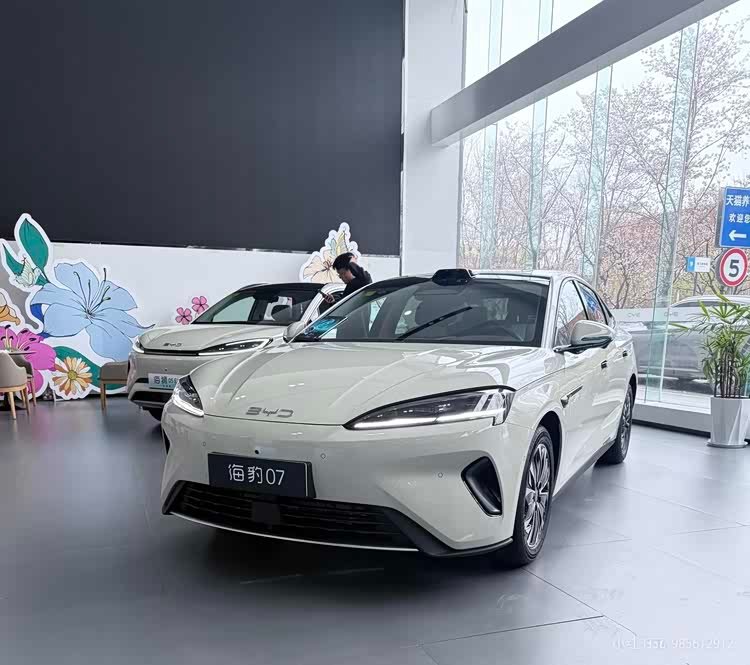
So which one to choose? Let's not follow the crowd, we must look at our own actual needs.
If most of the time you just commute in the city and occasionally drive on the highway, then the basic functions of the Distinguished trim are completely enough. Spend 170,000 and get the core configurations such as flash charging, long range, and a good chassis, with the highest cost performance.
But if you are a tech enthusiast, or your daily commute is very complex, with all kinds of congestion and intersections, or your parking skills are not great, then spend the extra 20,000 for the Flagship trim, and what you buy is daily ease and convenience. Imagine arriving at the mall entrance, getting out, and letting the car find a parking spot and park itself. Whether that feeling is worth 20,000 is up to you.
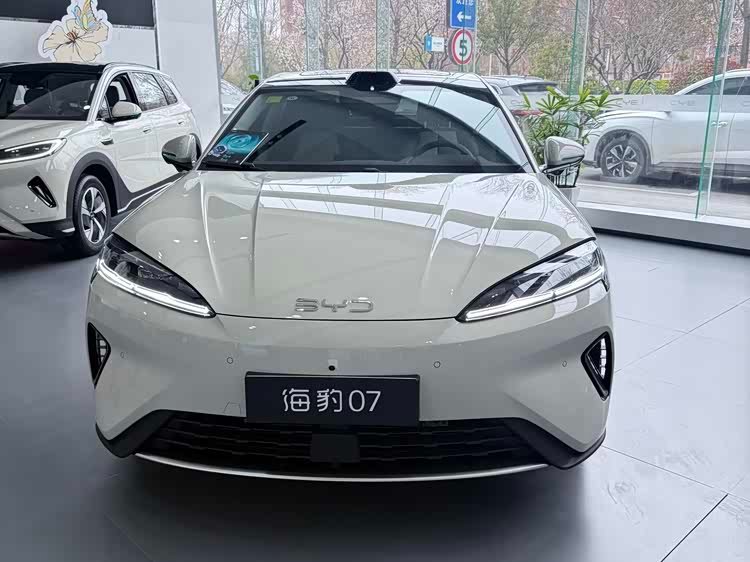
Chassis and space: Is it comfortable to sit in? Is it enough for family use?
As a family car, the comfort of the chassis and the size of the space directly affect your family's evaluation.
On the chassis, the standard Cloud辇-C intelligent damping body control system across the whole lineup is definitely a highlight. Simply put, this system is like installing an "intelligent brain" in the car, capable of adjusting the suspension's firmness and softness in real time according to road conditions.
When going over speed bumps or driving on bad roads, it becomes softer, filtering out most of the bumps, so passengers in the car do not feel jolted; during high-speed cornering, rapid acceleration, and hard braking, it becomes firmer, giving the body enough support, and controlling roll and pitch well. The overall feeling is that it does not feel loose when driving and does not make you dizzy when riding, a typical comfort-oriented family tuning.
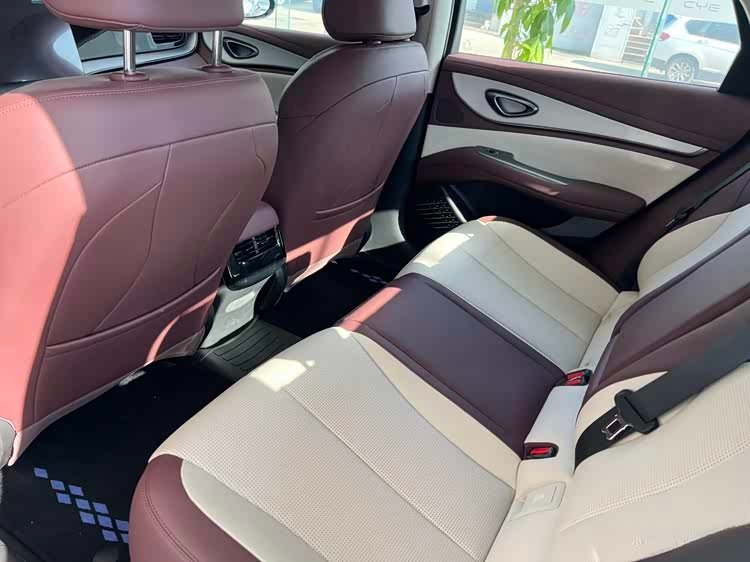
In terms of space, this is a standard mid-size sedan size. Rear legroom is very generous, and crossing your legs is not much of a problem. The middle floor is almost flat, so even with three people in the back, the middle passenger will not be too uncomfortable. It should be noted that if there is a very tall person in the family, they may find the headroom in the rear slightly tight, so it is recommended to sit in it during a test drive to feel it.
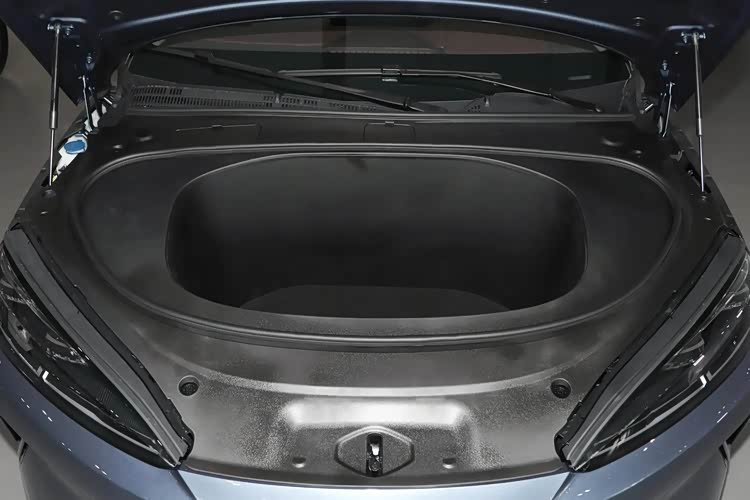
Storage space is a surprise. The front trunk has 133L and can hold quite a lot. Together with the regular rear trunk, whether for a big supermarket shopping trip or a short weekend trip with family, loading luggage is more than enough. There are also many small storage compartments in the car for phones and cups, and the details are considered quite thoughtfully.
Safety and warranty: the final "reassurance pill"
Safety and warranty are the bottom line for a family car. There is nothing much to say about this, BYD has always done well.
Battery safety: the second-generation blade battery, whose safety has been verified by the market over the long term, does relatively well in protection against extreme situations such as nail penetration, collision, and thermal runaway. Moreover, during flash charging, the battery management system also monitors in real time to ensure safety.
Passive safety: multiple airbags, active braking, fatigue monitoring, sentry mode, all of these are present. There is also a "high-speed tire blowout stable driving system," which, if a tire blows out on the highway, can help you keep the car stable. This is a life-saving configuration.
Warranty policy: for the first non-operating owner, the three-electric system has lifetime warranty, and the whole vehicle has a 6-year/150,000-kilometer warranty. This policy is very strong and basically eliminates everyone's worries about later maintenance costs. However, it should be noted that the lifetime warranty has some conditions, such as maintenance must be done on time through official channels, and the three-electric system must not be modified without authorization, and so on. Understand clearly before buying, and there will be no trouble in later use.
Finally let's talk about money: starting at 169,900, is it worth it?
Finally, let's do the math. The Seal 07EV Flash Charge Edition with 705km range, Distinguished trim at 169,900, Flagship trim at 189,900. In the 170,000-190,000 price range, it can give you: 705km long range, 5-9 minute ultra-fast flash charging, and the standard Cloud辇-C chassis across the whole lineup. For these core configurations, it is hard to find a second one at the same price.
In terms of purchase benefits, there are financial plans with 0 down payment and 24 periods at 0 interest, as well as trade-in subsidies, plus in-car data and mobile power station functions. Especially that mobile power station, when you go camping on weekends and plug in an electric grill and speakers, it directly transforms into a "mobile power supply station," maxing out the experience.
To sum up:
The advantages are very prominent:
Replenishment speed is so fast it has no rival, the "killer move" for solving anxiety.
Range is solid, displayed range is accurate, giving you confidence.
The chassis is comfortable, family-oriented, and not tiring to sit in.
Configuration is genuinely generous, solving all the core pain points at 169,900.
There are also small regrets:
The interior design leans toward steadiness and may not be the "trendy brand" style young people talk about.
The infotainment system occasionally lags a little, and hopefully future OTA updates will optimize it.
The coverage of flash charging piles is still under construction, and in some places you may not be able to enjoy its ultra-fast experience.
So, who is it suitable for?
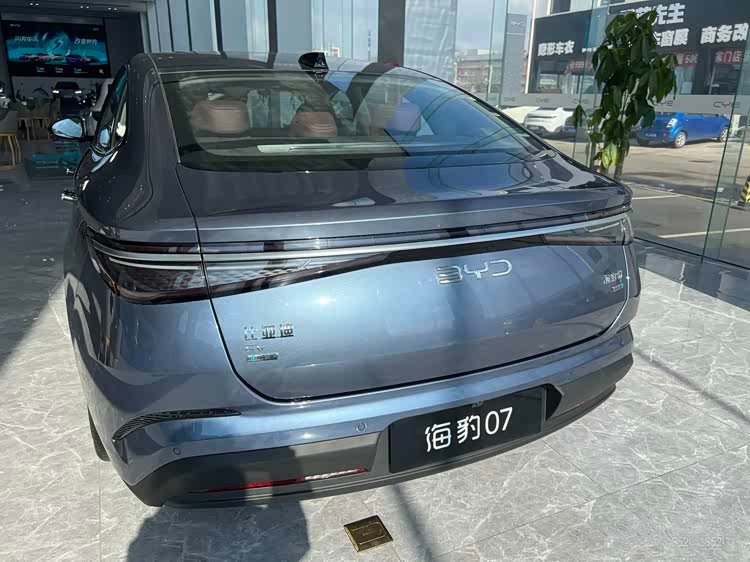
If your budget is 170,000-200,000, you want to buy a pure electric sedan, usually mainly for commuting to and from work, taking the family out on weekends, and occasionally driving long distances, and you have hard requirements for replenishment speed and range, then this car is definitely worth your key consideration.
It is not some perfect "divine car," but it has indeed accurately grasped the "pain points" of pure electric car users and given a very pragmatic solution. It is not flashy, but it is down-to-earth. Just like living our lives, not pursuing those vain things, and solidly satisfying the core needs is the best choice.
One last word: buying a car is a big deal. This article only helps you clarify your thoughts. If you are tempted after reading it, be sure to go to the store and test drive it yourself. Go feel how fast flash charging really is, go experience how the Cloud辇-C chassis feels over speed bumps, and go see whether the rear space meets your expectations. After all, only by trying them on yourself do you know whether the shoes fit.