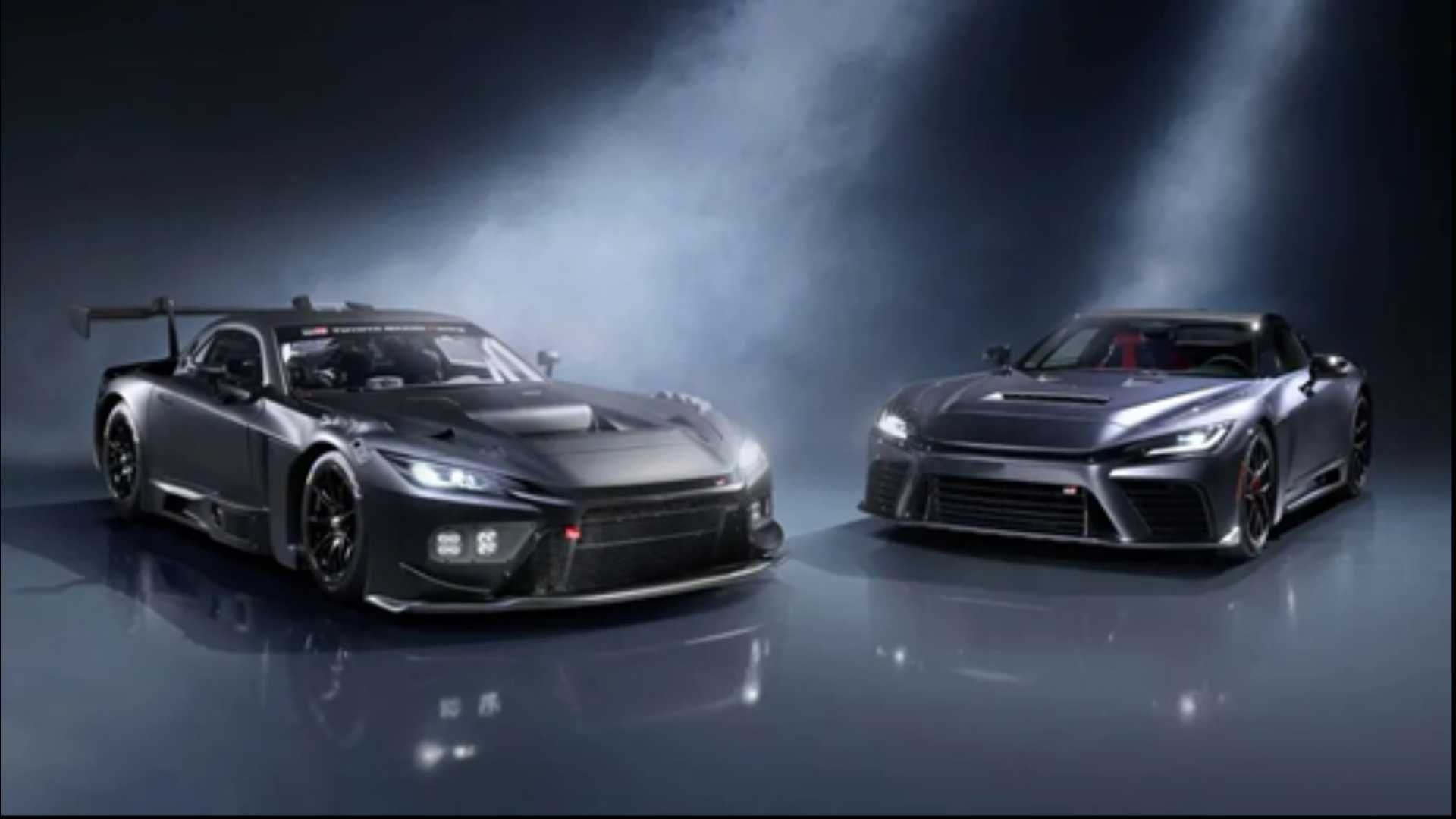
On December 5, Toyota GAZOO Racing and Lexus simultaneously released major news, not only bringing the street-legal "near-race car" GR GT, but also returning the classic supercar LFA to the public eye in the form of a fully electric concept car.
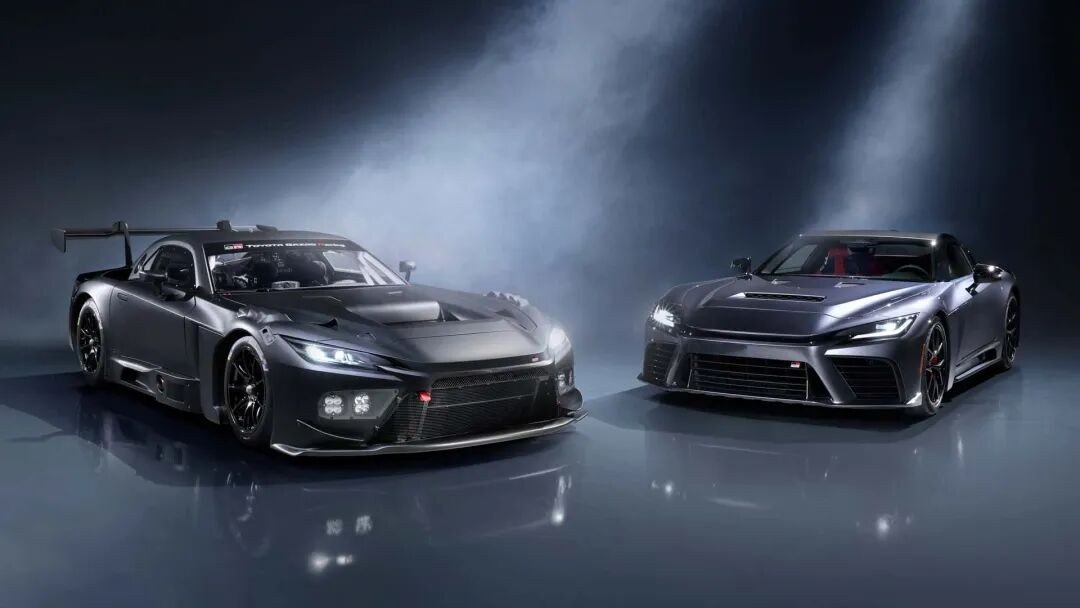
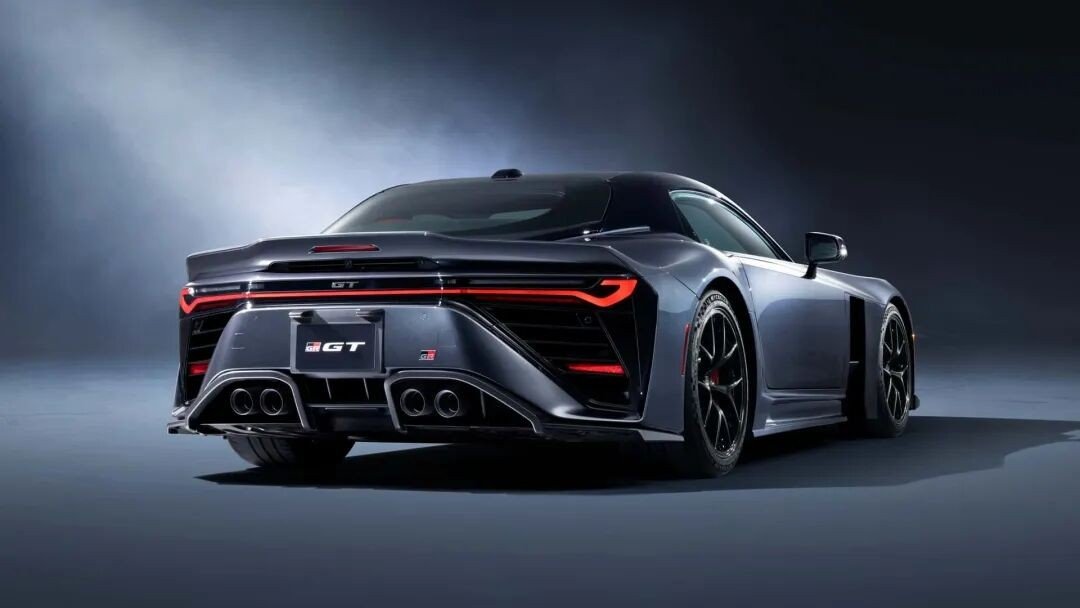
The GR GT is positioned as a flagship sports car, adopting a front-engine, rear-wheel-drive layout, and equipped with a hybrid system consisting of a 4.0T V8 twin-turbo engine and an electric motor. Its output is expected to exceed 640 horsepower, with torque surpassing 850 N·m. Paired with a dry sump and carbon fiber drivetrain components, it presents every appearance of a "street racing car."
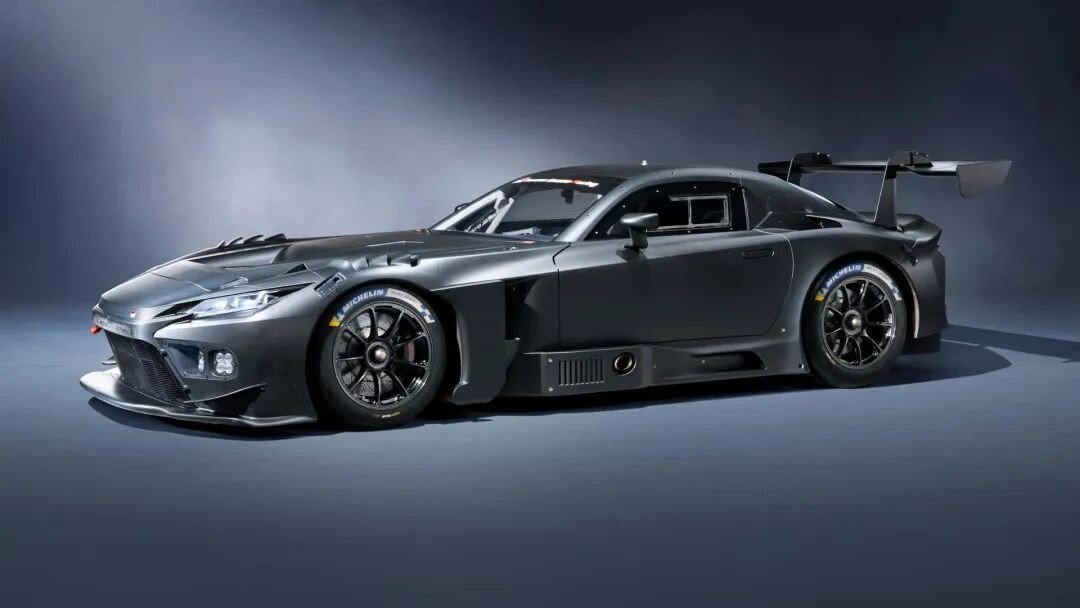
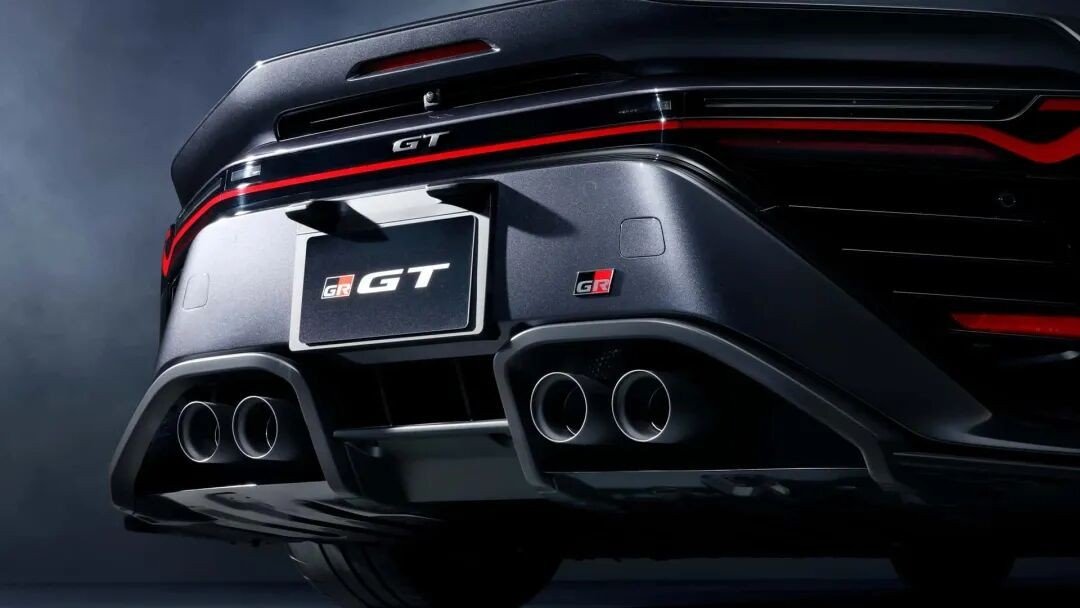
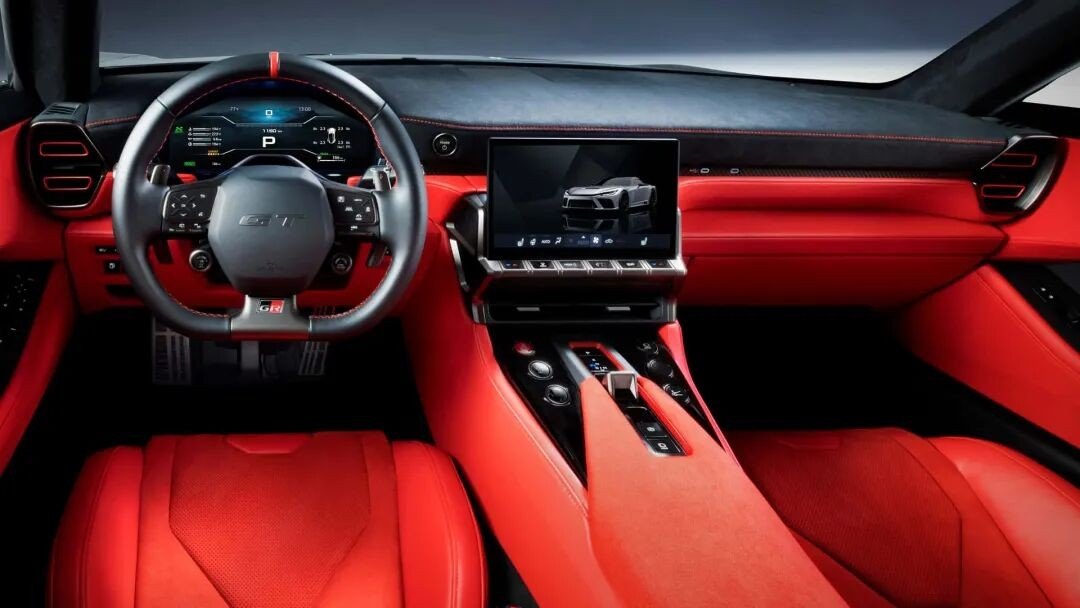
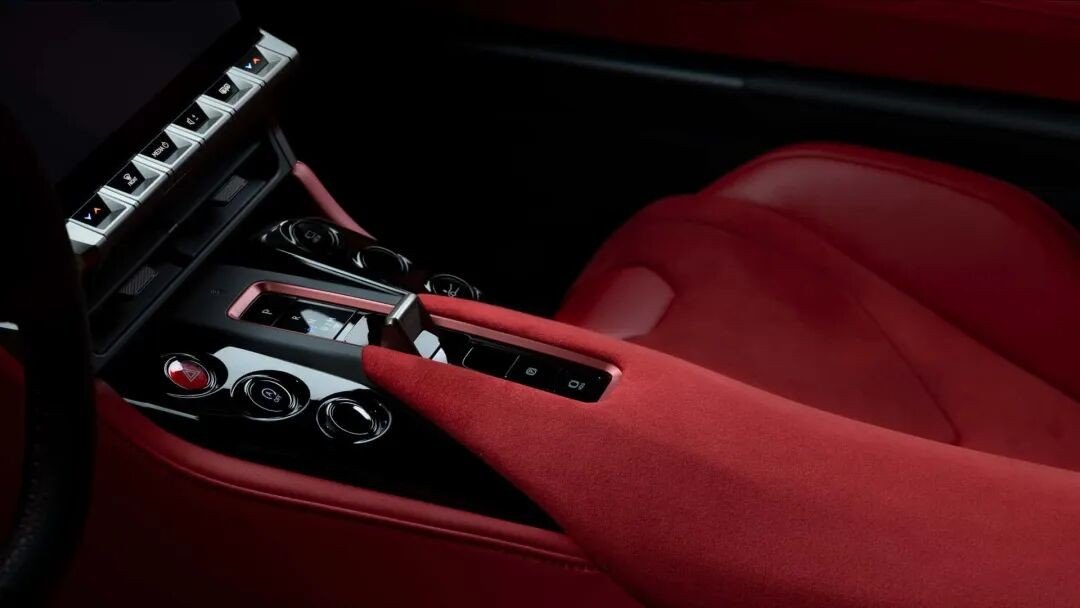
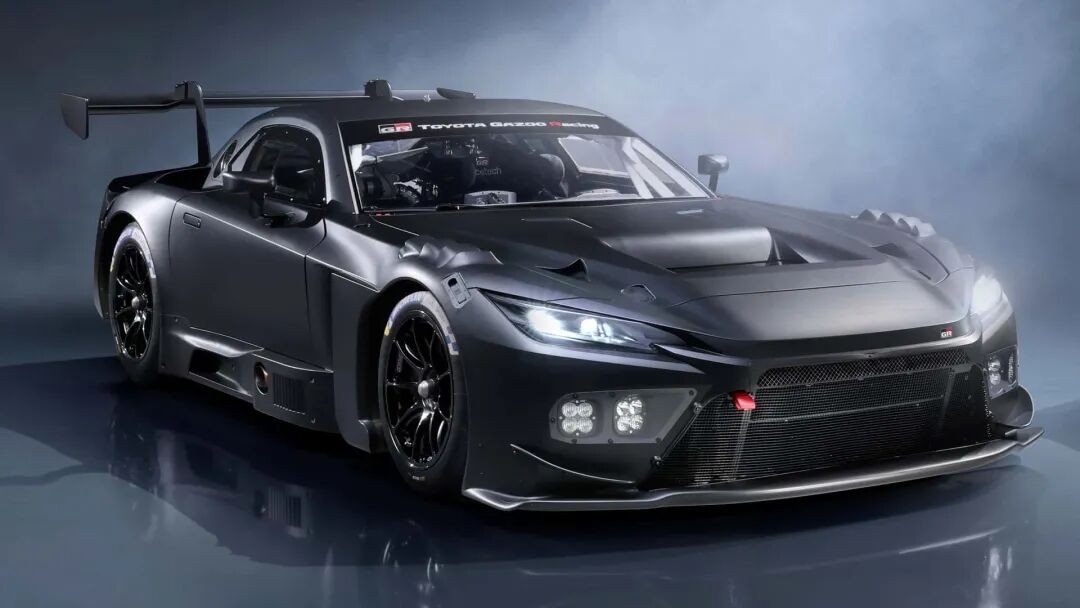
The GR GT3 version unveiled alongside it is even more heavily armed, with extensive aerodynamic kits and an extremely lightweight interior, aimed directly at track racing.
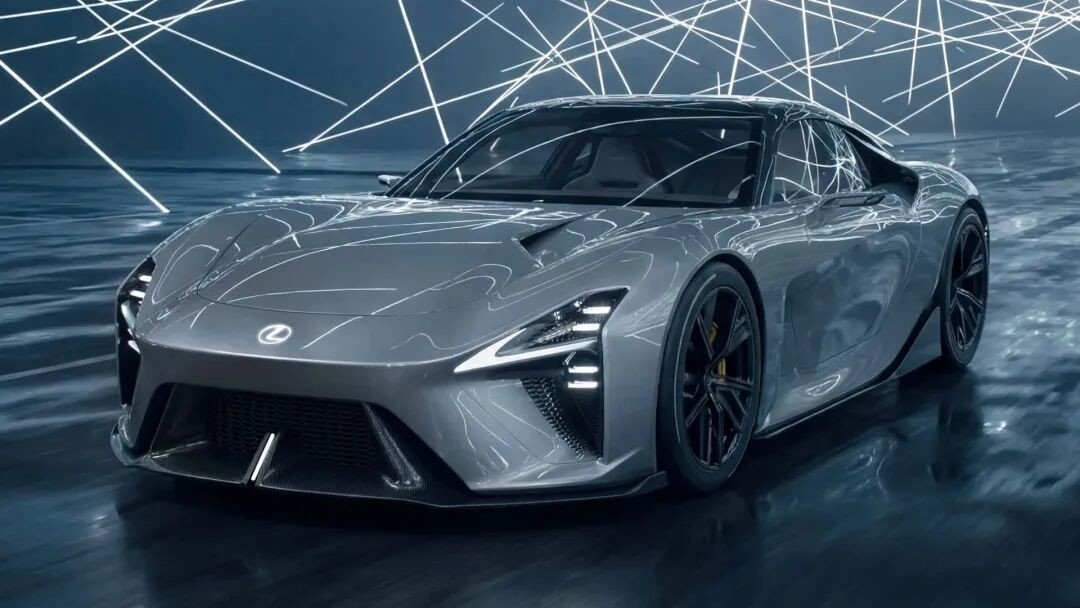
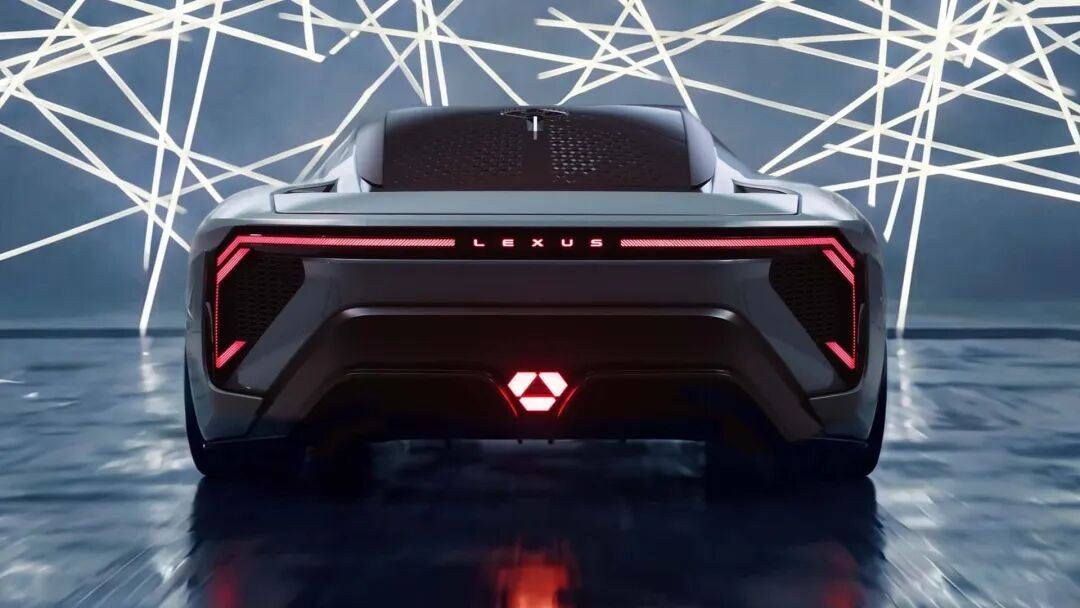
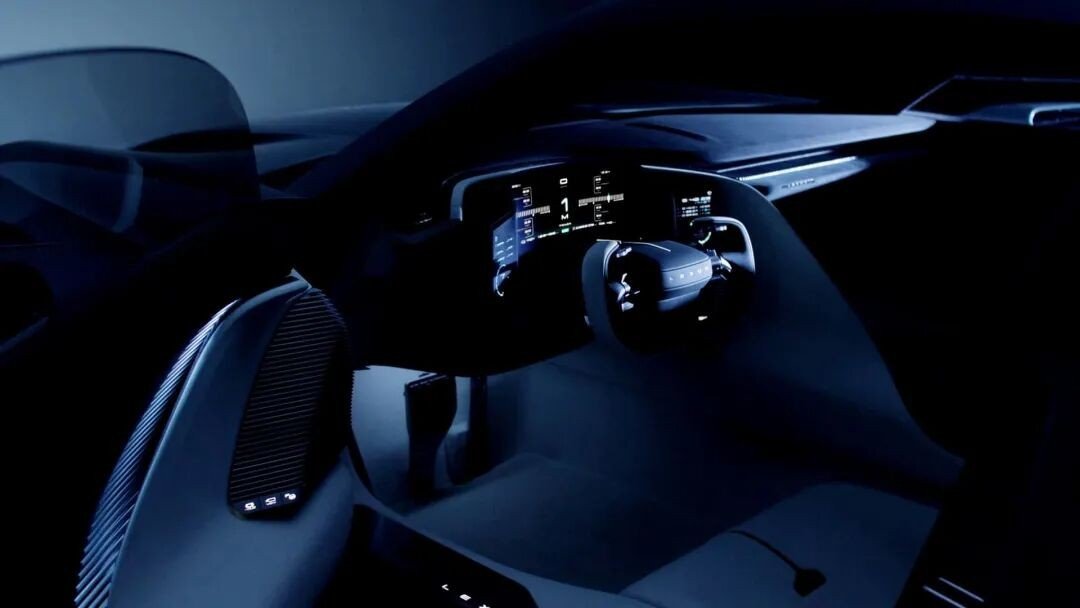
Even more surprising is the Lexus LFA concept car. As a former representative of Japanese supercars, the new LFA does not continue the V10 legend, but instead shifts to a fully electric architecture. While inheriting the classic low-slung lines, its exterior adds more of the minimalist technological feel of the electric era, and the interior also moves toward a minimalist, driving-oriented approach, eliminating the standalone central control screen, with everything centered around the driver.
Quick comment:
Toyota's "dual-car launch" this time clearly lays out two technical paths: on one side, using hybrid power to continue the driving passion of high-performance fuel vehicles; on the other, restarting a classic with pure electric power to explore a new form of supercar. For consumers, the GR GT may become a new choice for those players who want both track capability and daily usability; while the electric LFA concept car foreshadows a silent yet violent future. There is no need to judge heroes too early, but one thing is certain - Toyota Group is playing its chess in the high-performance field more and more boldly.


