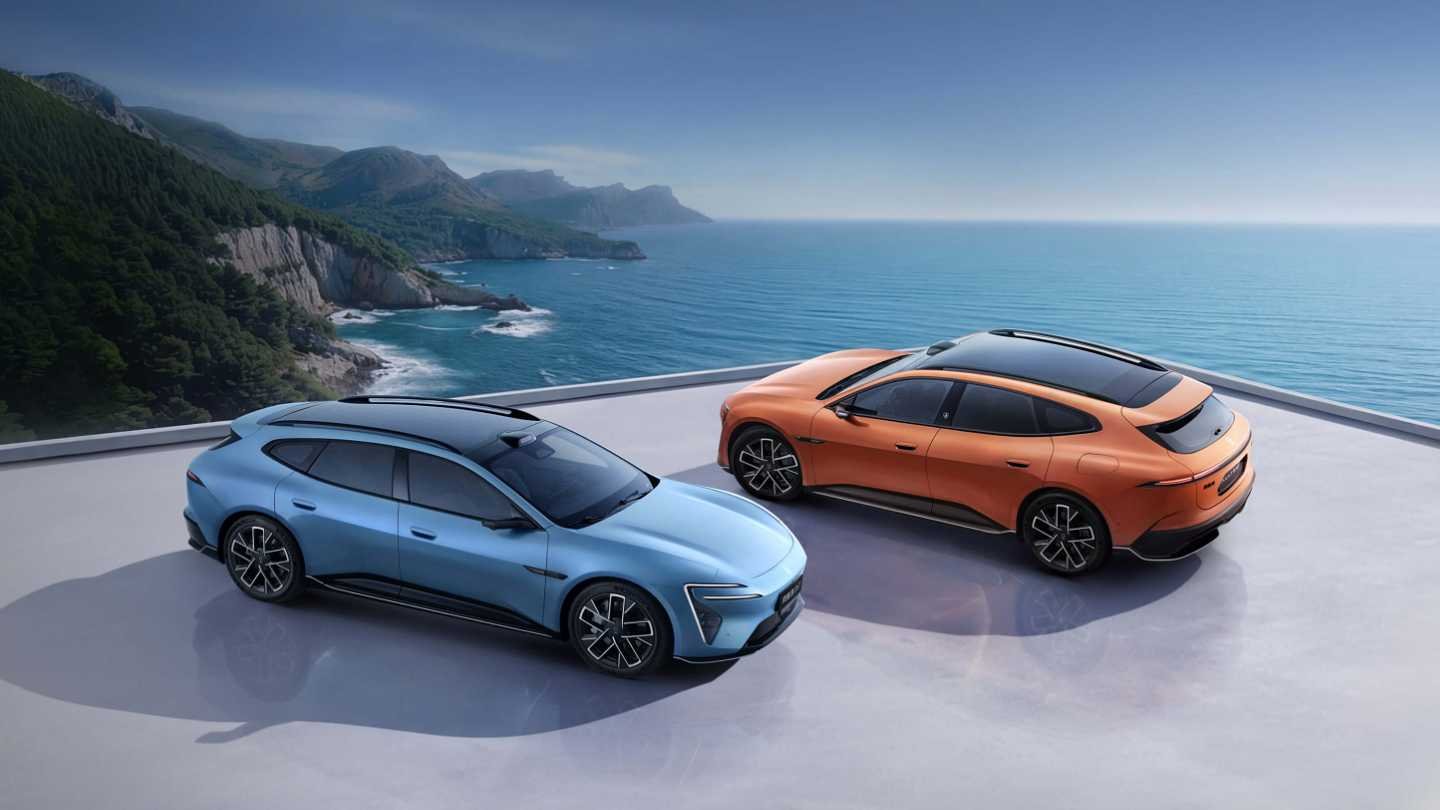
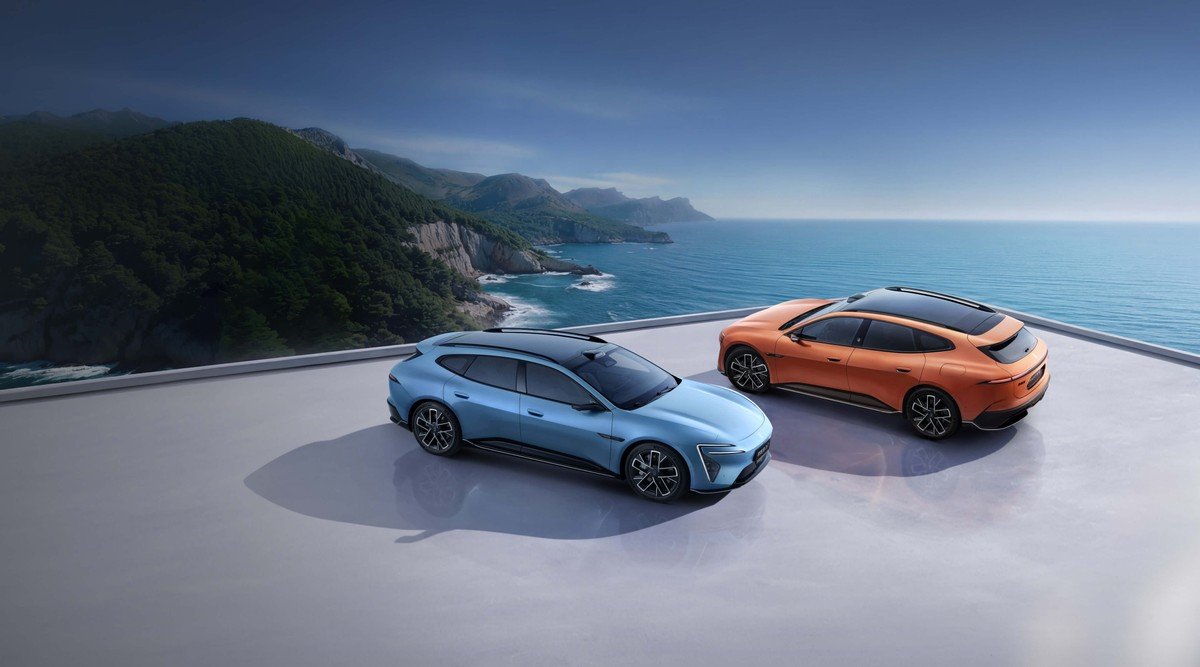
On April 22, the Avatr 06T was officially launched, with five models across two powertrains, pure electric and extended-range, with an official guide price of 219,900 yuan to 279,900 yuan, and a limited-time benefit price of 212,900 yuan to 272,900 yuan. It is a B-class sports sedan that truly makes Huawei Qiankun Smart Driving standard across the entire lineup, offers two powertrain choices, and has a fastest 0-100 km/h time of 2.78 seconds.
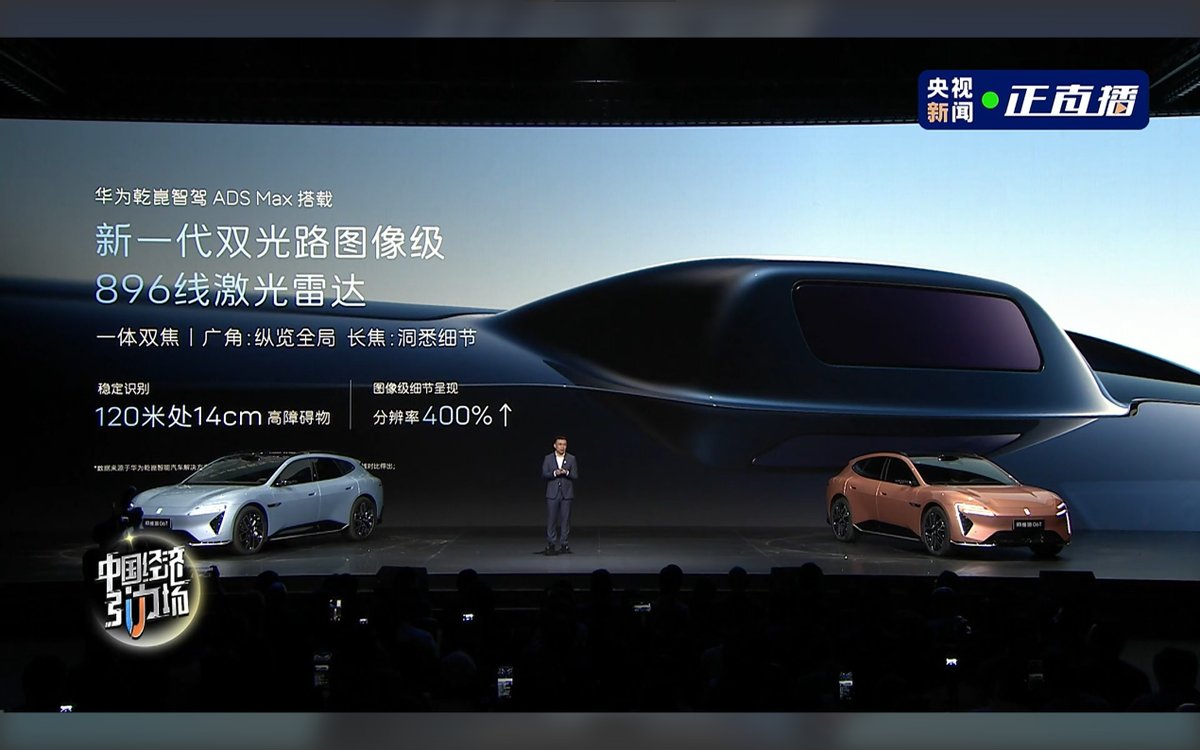
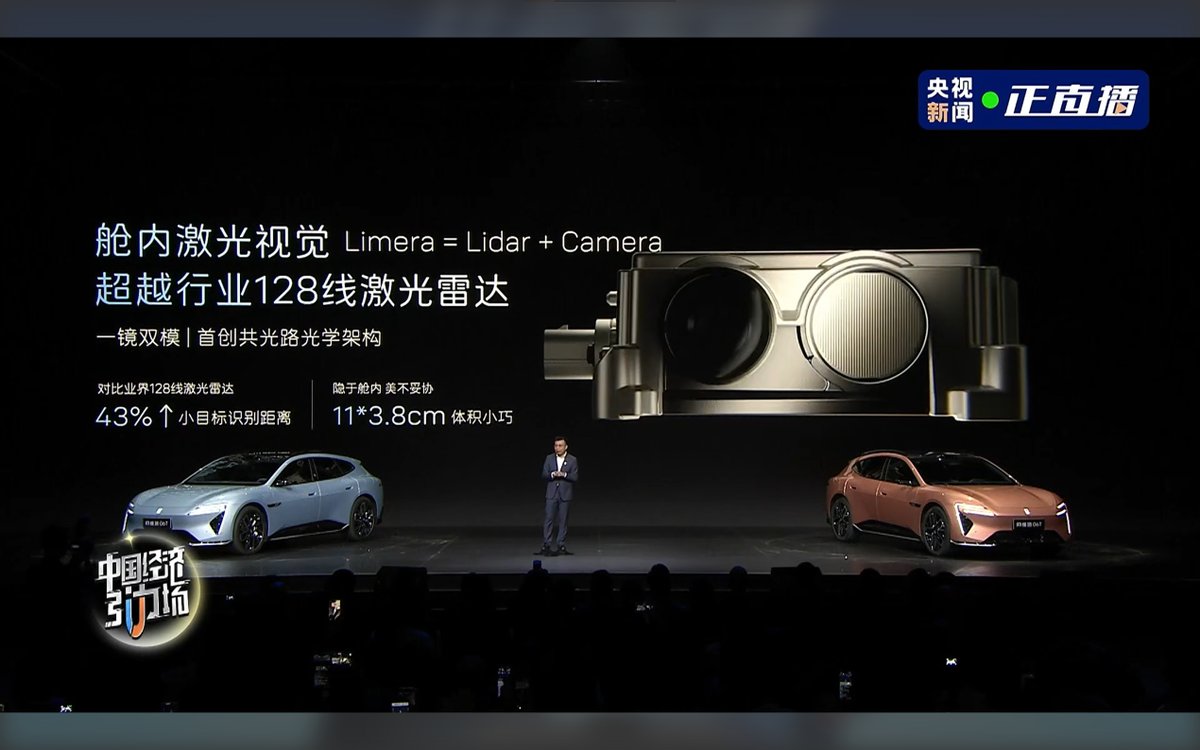
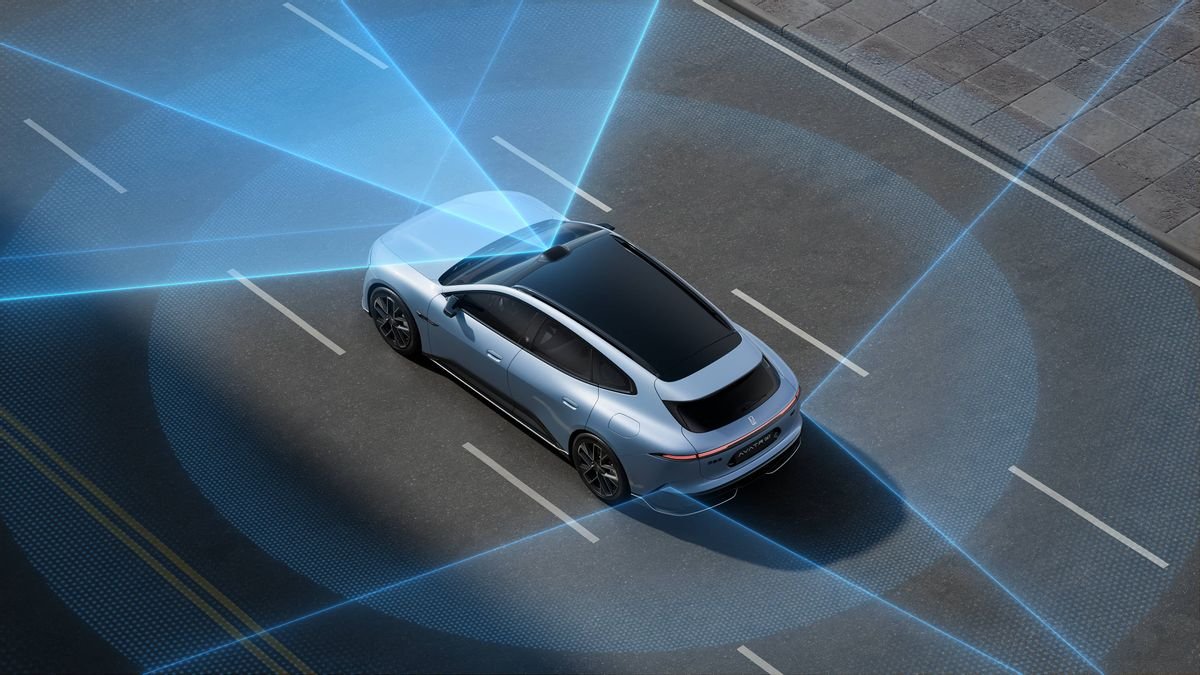
Many people will instinctively ask: what exactly is the difference between the Avatr 06T and those competitors on the market that also tout smart driving and performance? The answer is actually hidden in the three words "standard across the entire lineup." Whether it is the entry-level version at 212,900 yuan or the top trim at 272,900 yuan, Huawei Qiankun Smart Driving ADS is standard, not optional or subscription-based. This means young people do not need to spend tens of thousands of extra yuan just to experience truly useful assisted driving. The MAX and Performance versions go a step further, using a new-generation dual-light-path image-level 896-line lidar, with resolution 4 times higher than the mainstream 128-line, capable of identifying an obstacle the size of a beverage can from 100 meters away 3 seconds in advance at 120 km/h and smoothly avoiding it. This is real safety redundancy—nighttime highways, rain and fog, and electric bikes suddenly darting out are exactly the high-frequency dangerous scenarios where this CAS 4.0 all-dimensional collision prevention system excels.
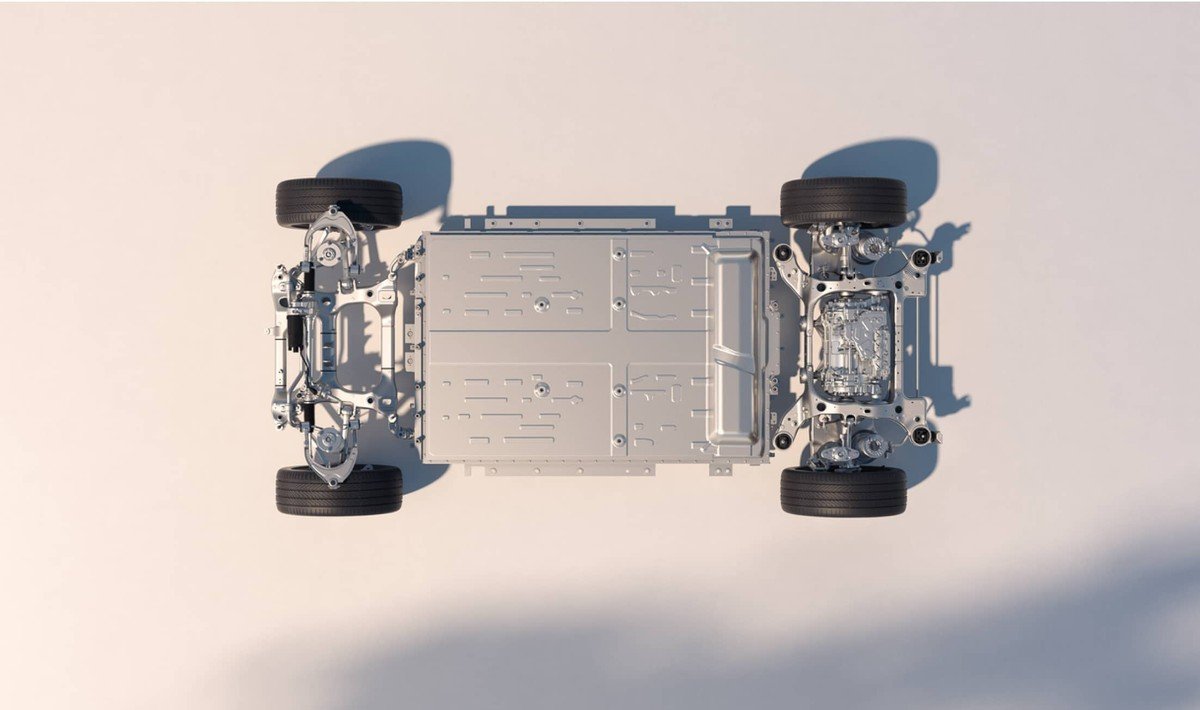
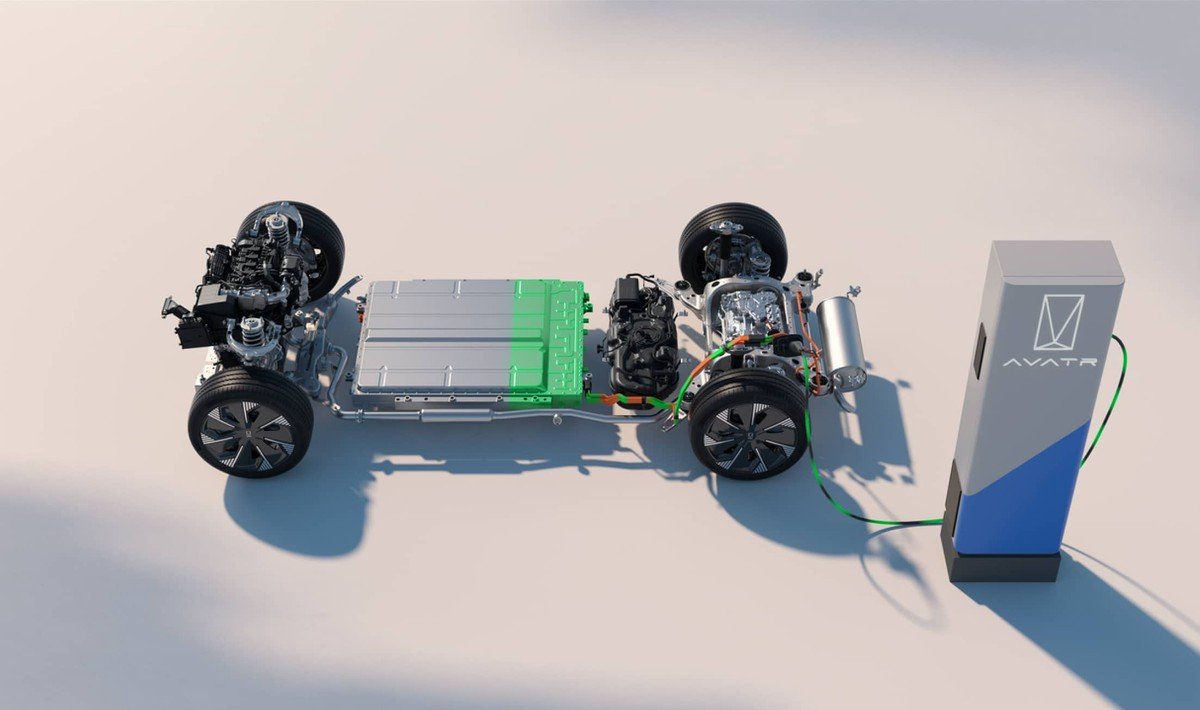
The 200,000 to 280,000 yuan range is the most competitive zone in China's auto market, surrounded by models such as the Tesla Model 3, Zeekr 007, Xiaomi SU7, and BYD Seal. The Avatr 06T's differentiated approach is very clear: it seeks to simultaneously reach a high level in four dimensions—performance, design, space, and energy replenishment. The Taihang distributed electric drive enables the top trim to achieve a 0-100 km/h acceleration of 2.78 seconds, which has already surpassed most higher-priced performance cars; at the same time, the ability to actively and independently adjust left and right torque makes it more controllable than ordinary electric vehicles in extreme scenarios such as slippery roads and high-speed tire blowouts. The addition of the extended-range version solves the long-distance anxiety of pure electric models, and both the pure electric and extended-range versions support 5C ultra-fast charging—charging for 5 minutes adds more than 200 kilometers of range, a replenishment speed already infinitely close to the refueling experience of fuel vehicles. Combined with a 2940mm wheelbase and features such as front dual zero-gravity seats and a Meridian audio system that once appeared only on models above 300,000 yuan, the 06T really holds nothing back when it comes to stacking equipment.
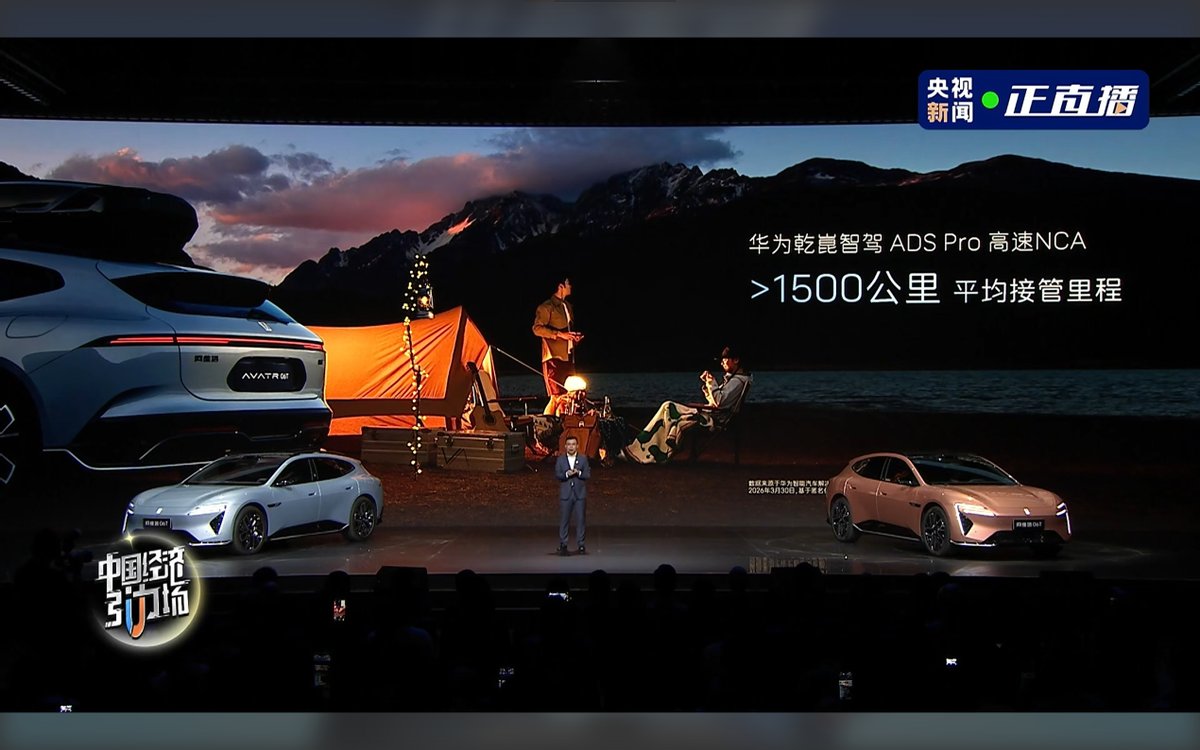
As of April 18, Huawei Qiankun Smart Driving's cumulative assisted driving mileage has exceeded 10 billion kilometers, with 650 million assisted parking maneuvers and an active user ratio as high as 98.4%. This is not a demo in a laboratory, but large-scale validation happening on real roads every day. When the maturity of a smart driving system has been "used" into existence by millions of users, a generational gap has already formed between it and those systems that still rely on engineers manually writing rules. The Avatr 06T happens to stand on the dividend side of this generational gap—it does not require users to adapt to the machine; rather, the machine is already learning the driving habits of millions of people.
Of course, no car is perfect. The challenge for the Avatr 06T is that its brand awareness still lags behind Tesla and BYD, and although the entry-level version comes standard with Huawei Qiankun Smart Driving, the 896-line lidar only appears on mid- and high-level trims, which may make some users with higher demands for the extreme capabilities of smart driving hesitate. In addition, although the HarmonyOS cockpit is unquestionably smooth, there is still room for optimization in its app ecosystem and the openness of phone connectivity compared with some competitors.
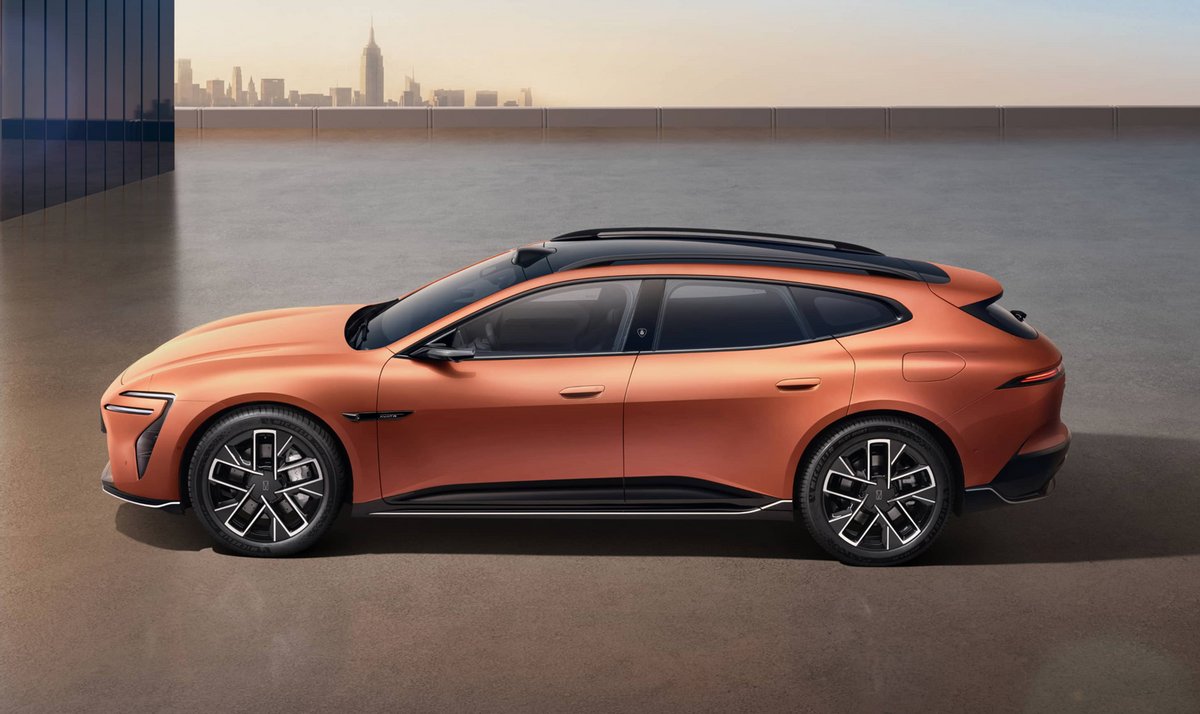
However, returning to the most core question: what kind of performance car do young people actually need? The answer may not be the fastest acceleration, nor the flashiest design, but rather, within a limited budget, the ability to simultaneously satisfy the ease of daily commuting, the fun of weekend mountain drives, the peace of mind of long-distance travel, and intelligent capabilities that will not be left behind by the times. The Avatr 06T may not suit everyone, but if you happen to be a young person who wants Huawei Qiankun Smart Driving, uncompromising performance, and the freedom to choose between extended-range or pure electric, then at this price point, it may be the least compromising answer.


