Lianshan forms a mountain range: Li Auto reconstructs the logic of electrification
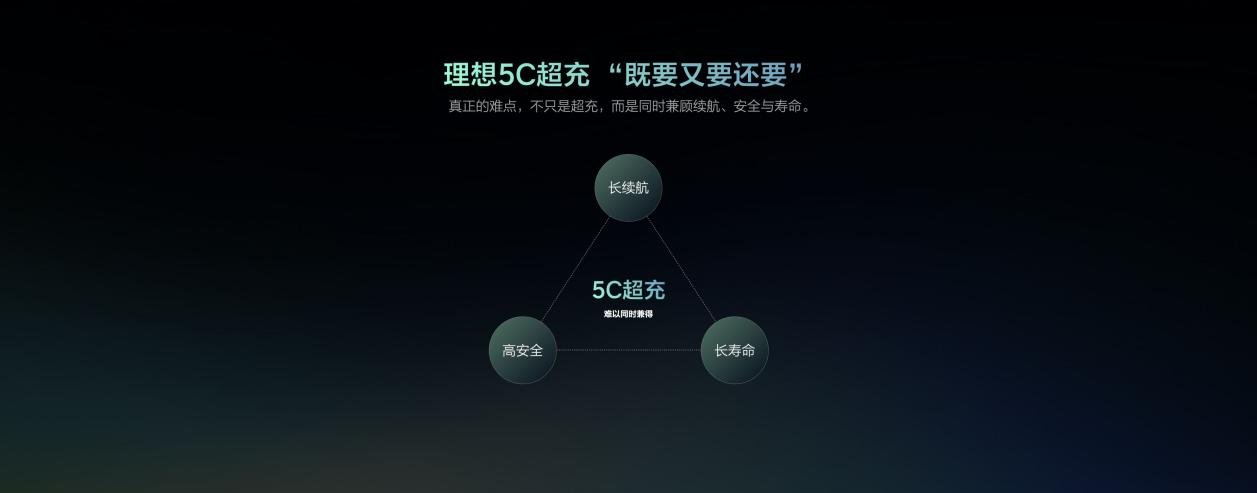
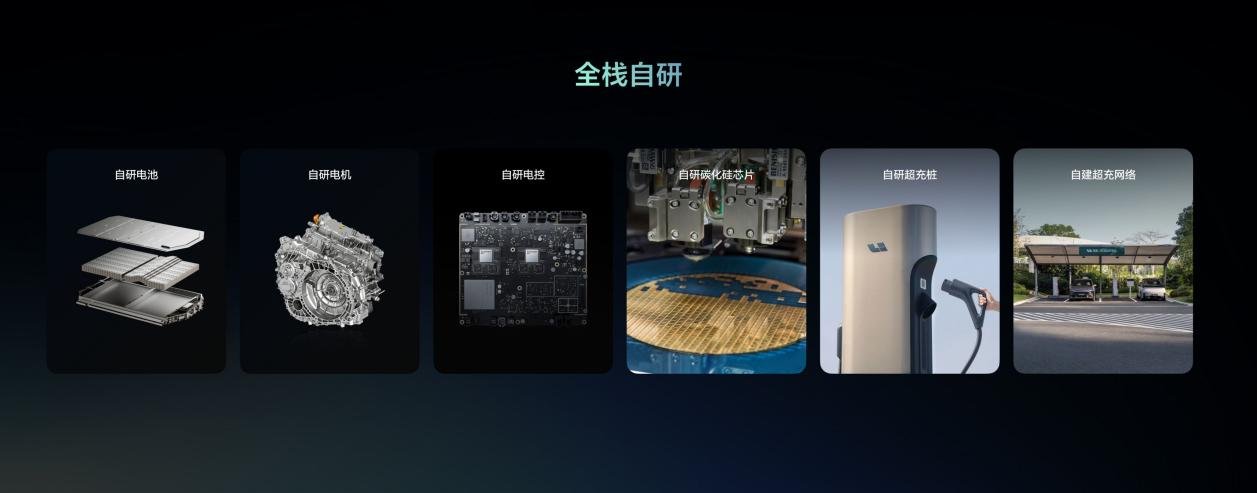
While the industry is still circling in disputes over millimeters of difference in single-point metrics, Li Auto offered another answer at its 2026 Power Day: the official launch of the "Lianshan" electric technology system, which brings batteries, electric drive, supercharging equipment, and its self-built network together into a systematic chain that runs from underlying materials all the way through to the user's charging experience.

The judgment of Ma Donghui, President and Chief Engineer of Li Auto, was blunt and clear: "Achieving 5C supercharging cannot rely on a single component alone; it requires connecting batteries, electric drive, charging, and cloud data." This statement itself is a recalibration of the logic of electrification competition over the past few years.
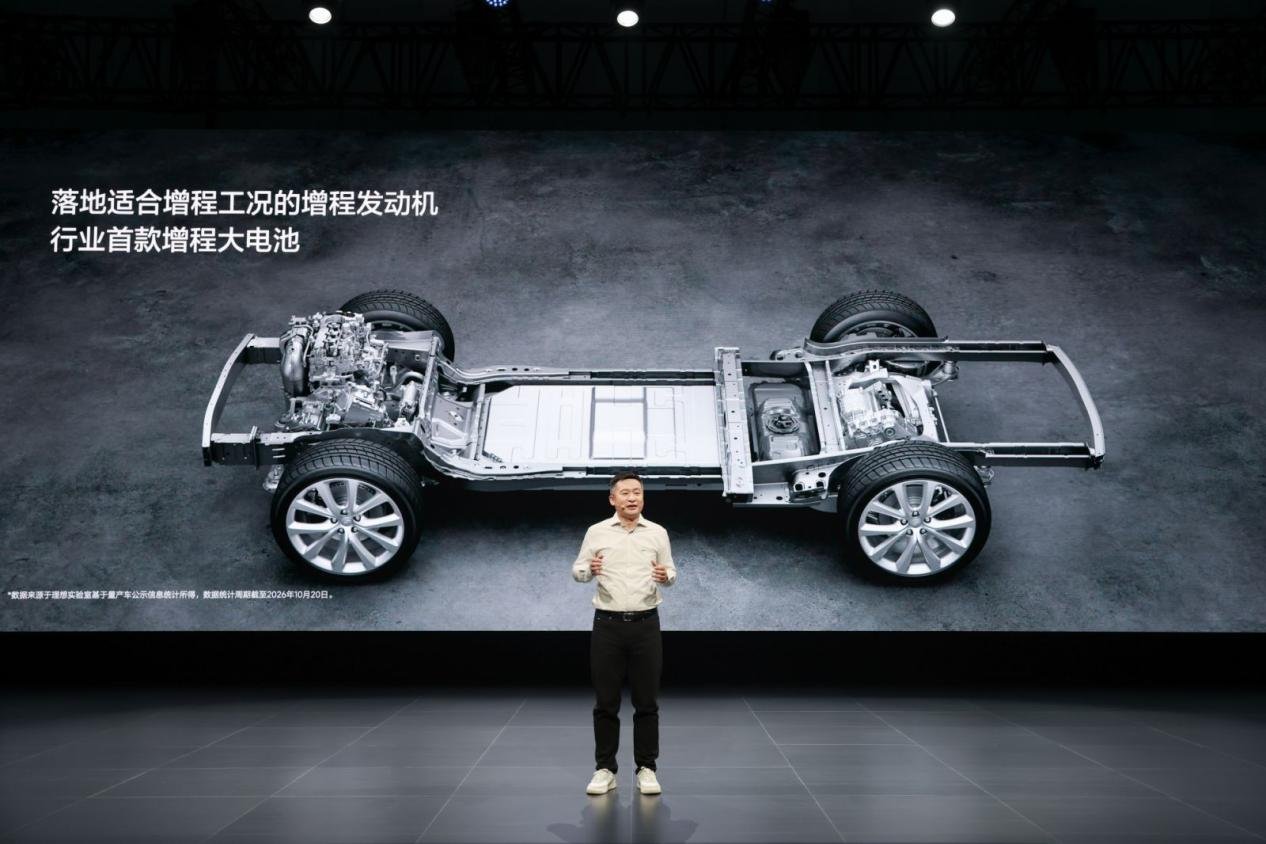
The battery is not the cost of "fast," but the common denominator of "fast, far, safe, and long-lasting"
The easiest way to misunderstand 5C supercharging is to reduce it to a contest over charging-gun power. But the real engineering challenge lies inside the cell: widening lithium-ion channels encroaches on energy storage space, temperature rise during fast charging accelerates material degradation, and there is an inherent tension between high rate capability and long life.
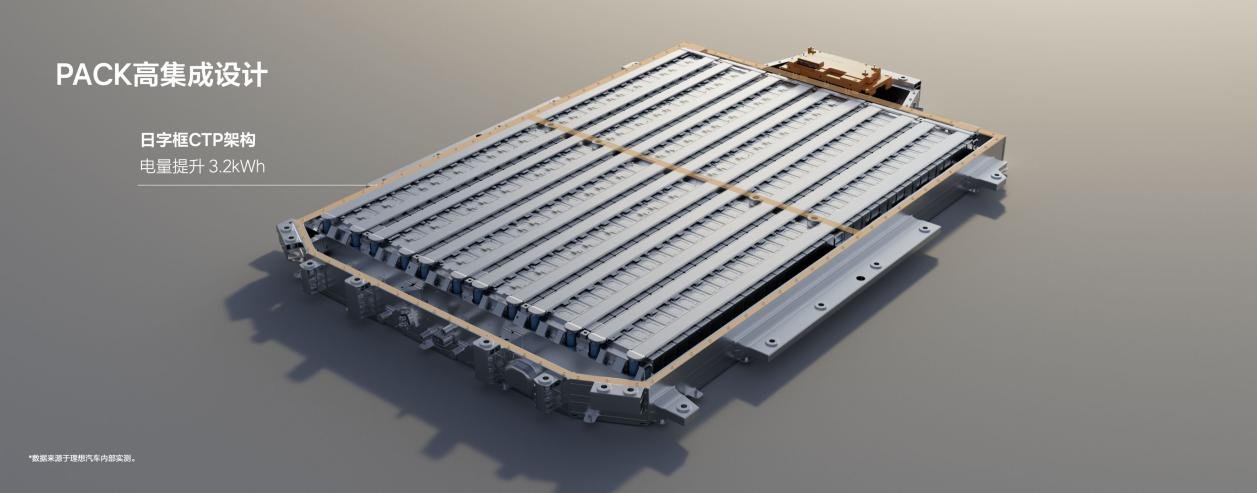
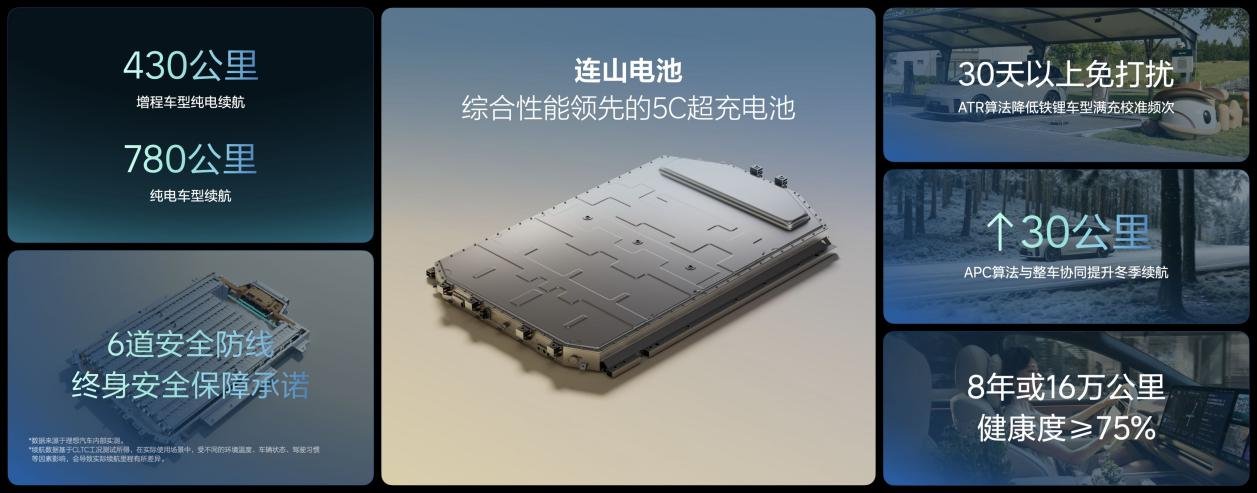
The Lianshan battery's solution is to rewrite the rules from the material foundation. Gradient porosity electrodes make the anode "loose outside and dense inside," balancing transmission efficiency and energy density; high-compaction cathode technology and optimized pack structure integration release extra capacity within limited space. What deserves more attention is the software-level complement: the ATR adaptive trajectory reconstruction algorithm reduces the state-of-charge estimation error of lithium iron phosphate batteries to within 3%, while the APC adaptive power algorithm, without changing hardware, increases winter peak power release capability by more than 40%. This means the speed of 5C is not premised on sacrificing low-temperature usability and state-of-charge credibility.
Safety and longevity form the foundation of this battery logic. Six safety defenses cover the full lifecycle, from impact protection and thermal propagation prevention to cloud-based early warning: no fire under an equivalent 500-joule impact, and no fire in the entire pack for 24 hours after a single cell suffers thermal failure; for models equipped with the self-developed 5C battery in 2026, the design life is set at 8 years or 160,000 kilometers, with health above 75%. Combined with two lifetime guarantees—"a new car for spontaneous combustion, and compensation for the difference in collision-induced fire"—Li Auto is in effect using corporate responsibility to vouch for technological certainty. Fast is a capability; stable and long-lasting are the promise. This is the fundamental distinction between the Lianshan battery and a mere "supercharging race."
Electric drive and energy replenishment bring system capability to the user's feet
If the battery defines the "lower limit" of an electric vehicle, the electric drive and energy replenishment network determine the "upper limit" of the experience. The mass-production rollout of Lianshan electric drive likewise follows the logic of efficiency first: the self-developed five-in-one and silicon carbide high-voltage three-in-one systems, through CAR119 cast aluminum rotor material and distributed terminal-free direct connection technology, increase the range of the new-generation electric drive by about 30 kilometers while freeing up 24 millimeters of vehicle height space.
Self-developed power chips reached 4 million units installed in vehicles within one year of mass production with zero failures, along with 93 quality gates and 15 years of inspection record retention, point to system reliability rather than a single performance peak.
The numbers on the energy replenishment side carry more real-world weight: as of the launch event, Li Auto has built more than 4,200 supercharging stations and more than 23,000 supercharging piles, covering 25 national-level expressway trunk lines with a "12 vertical and 13 horizontal" skeleton, and within the year achieving an average of one station every 100 kilometers on expressway trunk lines. Plug-in startup in as fast as 13 seconds, equipment availability above 99.9%, and more than 95% of expressway stations located within service areas—only when these metrics are stacked together does "500 kilometers of range in 10 minutes of charging" turn from a launch-event punchline into a daily reality users can repeatedly count on.
The real threshold for supercharging is not the peak power of the pile, but the certainty of "charge when you arrive, leave when charged." Li Auto has made its heavy-asset network part of the technology system.
The i9 is the first complete carrier of the Lianshan system
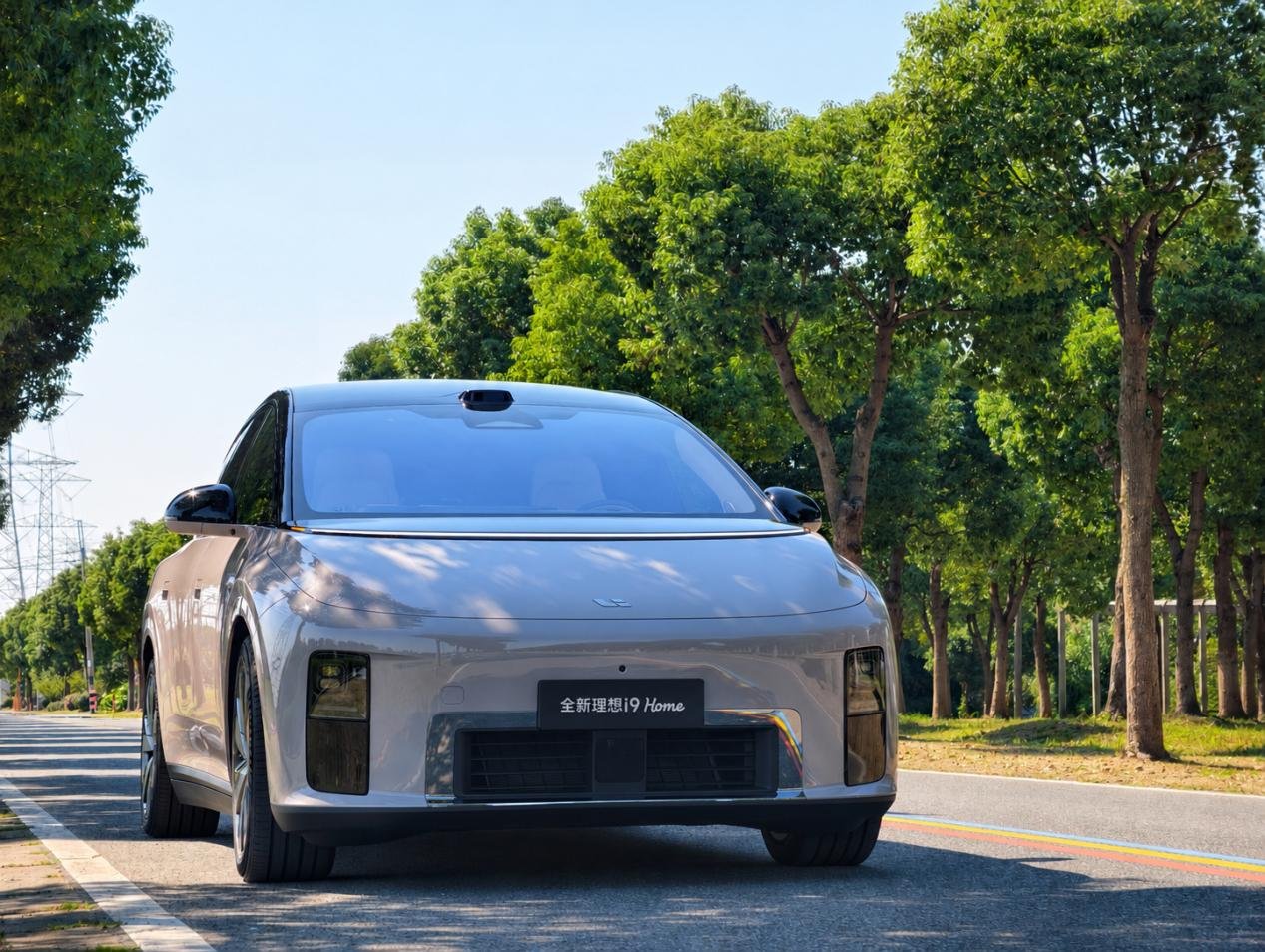
To understand Lianshan, one cannot look only at the architecture diagram from the launch event; one must see what it looks like when it lands on a mass-produced vehicle. The Li Auto i9 comes standard across the lineup with a 101 kWh ternary lithium 5C supercharging battery, 705 kilometers of CLTC combined range, and 500 kilometers of added range in 10 minutes of charging. More importantly, the i9 simultaneously brings together self-developed contract-manufactured batteries, self-developed electric drive, the Mach M100 chip, and a new-generation electronic and electrical architecture. This is the first time Li Auto has completed the convergence of its core capabilities in electrification and intelligence on the same flagship product.
What the Lianshan system provides is not some technology that gives the i9 "one more selling point," but an underlying order that allows the i9 to avoid trade-offs among range, energy replenishment, safety, and long-term use quality. The coordination of electronic control and chip computing power allows torque distribution and energy recovery strategies to be refined further; the linkage between the supercharging network and vehicle-side preconditioning and cloud planning makes "500 kilometers in 10 minutes" repeatable in real travel scenarios. The significance of the i9 lies precisely in being the first touchstone for Lianshan's transition from a "technology system" to "user-perceivable value."
In the first half of electrification competition, victory or defeat was often simplified into numbers such as battery capacity or charging rate. But once penetration crosses the critical point, what users truly care about is no longer the peak figure from the launch event, but whether the battery drains in winter, whether fast charging damages the battery, and whether one can reliably find a usable charging gun on a long trip.
The core signal released by Li Auto Power Day is not another "first" or "largest," but a shift in the coordinate system of technological competition from leadership in single-point parameters to the deliverability of system experience. Lianshan forms a mountain range, and when conditions are ripe, success follows naturally—when batteries, electric drive, energy replenishment, and cloud data no longer fight separately, electric travel truly moves from "usable" to "trustworthy." There is no shortcut on this road, but the direction itself is the answer.


