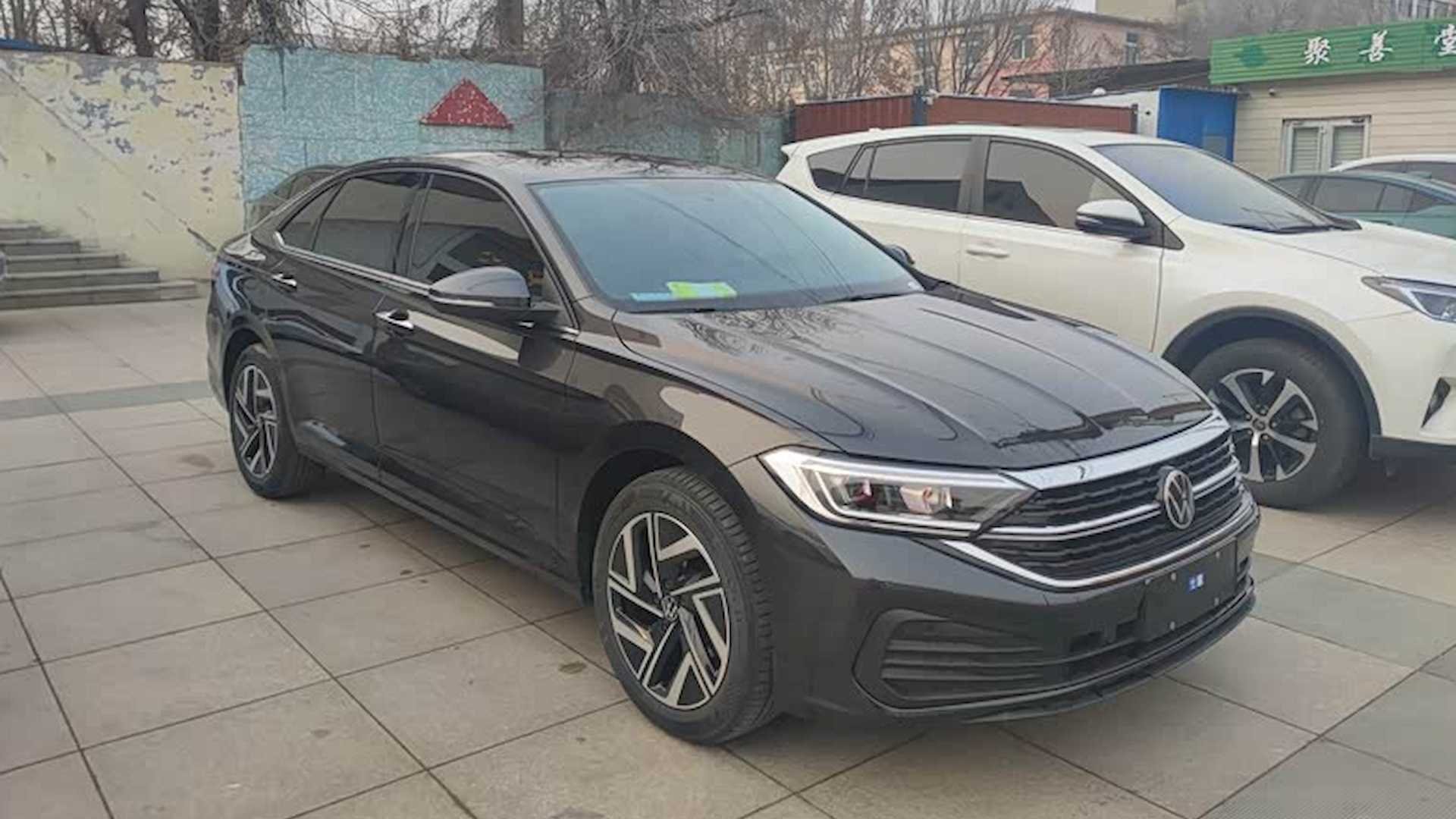
Today let's talk about an old acquaintance in our domestic sedan market, the Volkswagen Sagitar.
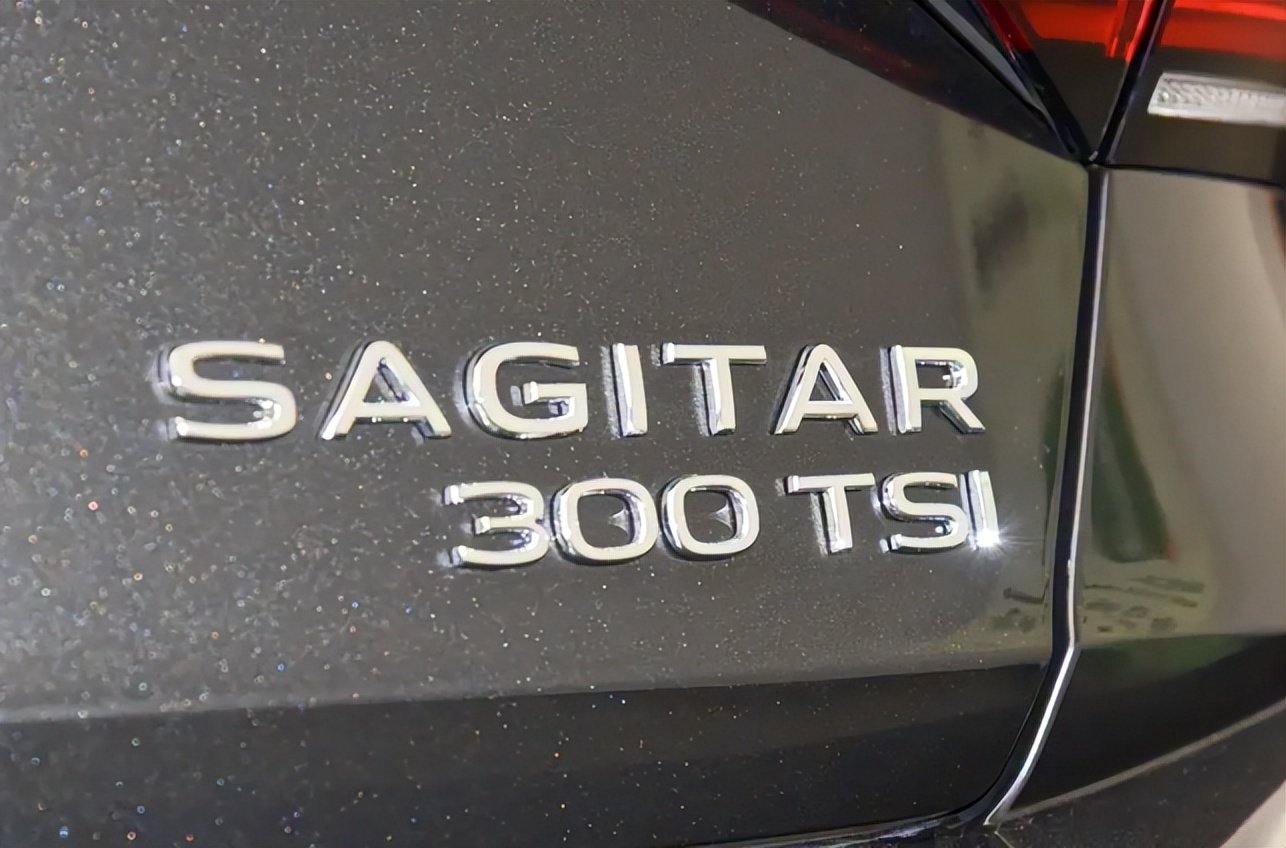
Not long ago, Volkswagen launched the 2026 Sagitar 30 Million Units Commemorative Edition, with the 300TSI DSG version starting at a guide price of 149,900 yuan.
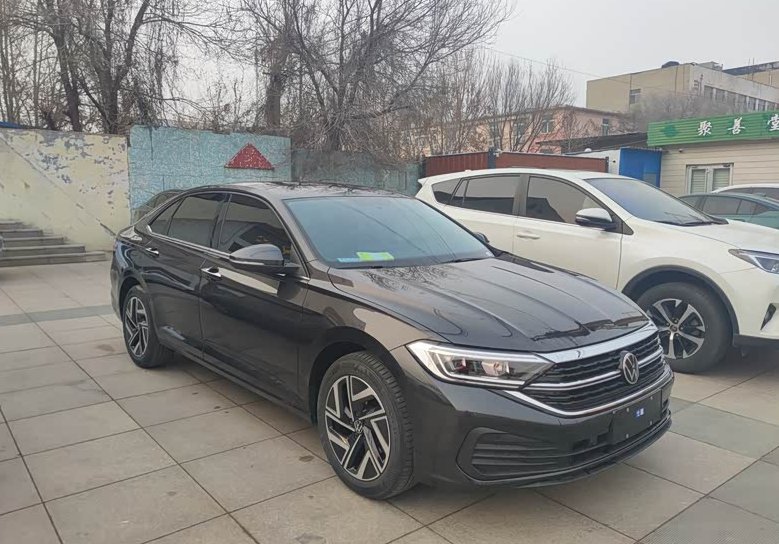
Don't rush to complain about this price—we all know how aggressive Volkswagen's current terminal discounts are. And the actual out-the-door price of this car will certainly win over many family buyers who are sitting on the fence.
Volkswagen has sold 30 million cars in China, and the timing of this Commemorative Edition carries far more significance than gimmickry—it's aimed squarely at shoring up its base in the A+ segment.
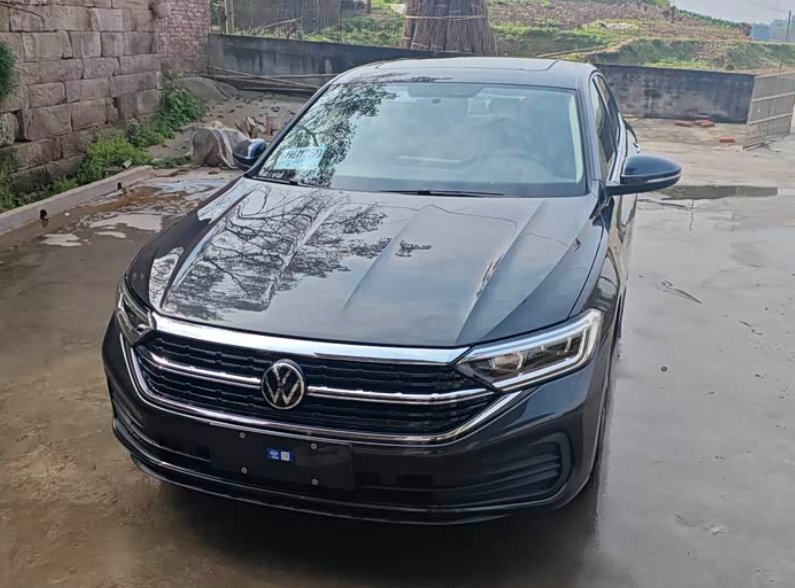
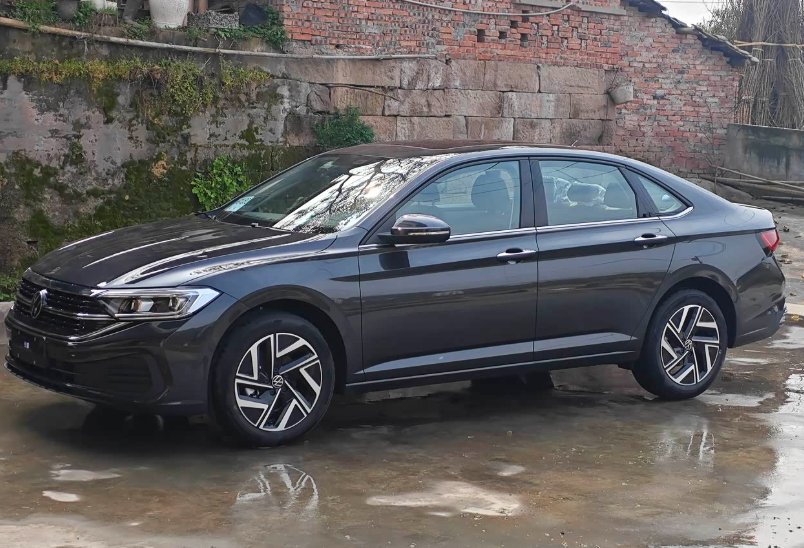
The exterior of this Commemorative Edition still has that familiar German flavor. It doesn't go for flashy, radical design—it focuses on being steady and easy on the eyes.
The hexagonal chrome grille up front paired with LED headlights creates a strong horizontal stretch, and when it drives toward you from a distance, it really gives off a bit of a mini Magotan vibe.
In rain and fog mode, the headlights have excellent penetration—Volkswagen has always nailed these safety-related details.
Walk around to the side and check out that double character line running from front to back. Anyone who knows sheet metal work knows that Volkswagen really spends the money on these sharp creases—without enough tonnage on the stamping press, you simply can't produce that kind of sharpness. This design clearly outlines the car's diving stance, making it look long and energetic.
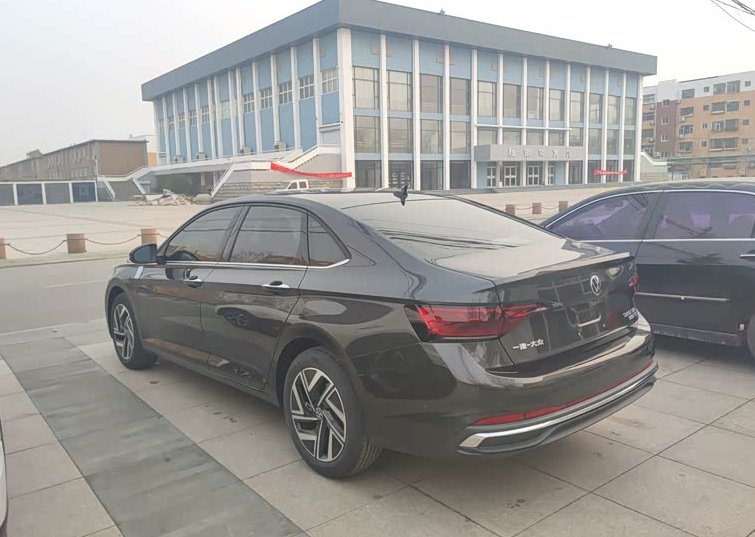
The full-width taillights at the rear have extremely high recognition, and with that exclusive Commemorative Edition badge, the sense of identity is locked in tight. The hidden exhaust makes the whole rear look especially clean—not a hint of sloppiness.
Volkswagen's new-generation interior is indeed much fresher. The full-width air vents maximize the layering of the center console.
A 10.25-inch full digital instrument cluster plus a 12.9-inch floating central touchscreen—this combo absolutely ranks in the top tier among joint-venture combustion vehicles. Operation smoothness is spot on, and the UI is intuitive enough.
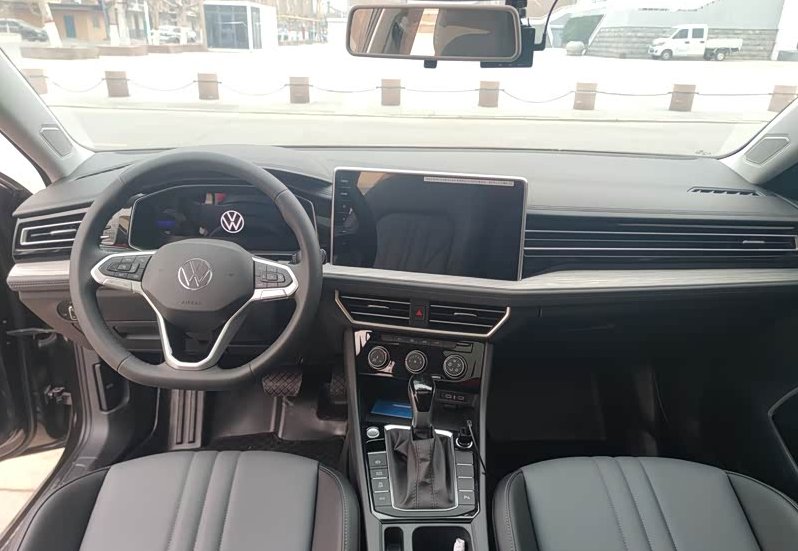
The infotainment system may not be as flashy as those from EV startups, but it supports multiple phone connectivity options. Connect Apple CarPlay and navigation and music flow seamlessly—that's the practical essentials ordinary folks really need.
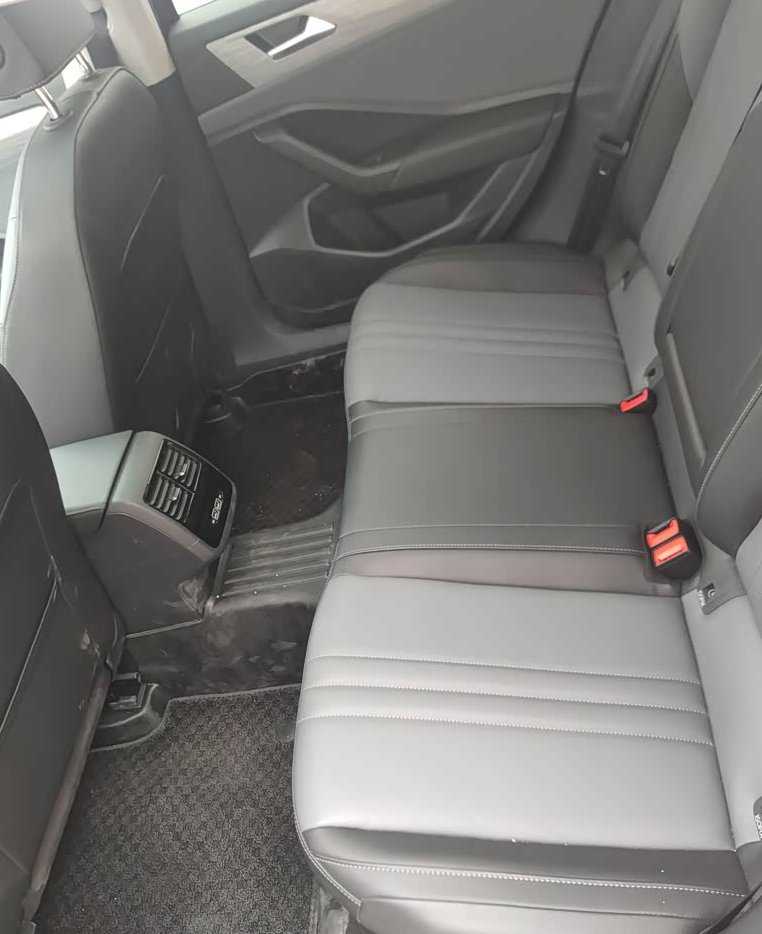
Space has always been the Sagitar's killer feature. A 2,731mm wheelbase in the A-segment is simply a dimensional strike. Take the whole family on a weekend road trip and three adults in the back seat won't feel cramped—legroom is generous, and seat support is more than adequate.
Let's focus on this powertrain. A 1.5T Evo2 engine mated to a 7-speed dry dual-clutch. Many people shake their heads the moment they hear "dry dual-clutch," thinking it's prone to jerkiness.
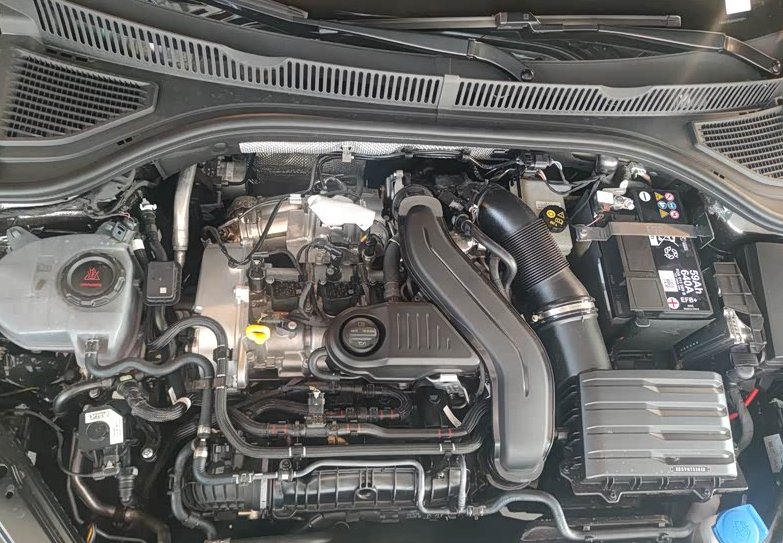
Nianhan has to be objective here. This 1.5T engine uses Miller cycle and the same VTG variable-geometry turbocharger technology as Porsche, and its low-end torque is far stronger than the old 1.4T.
Initial acceleration is particularly brisk, turbo lag is kept in check extremely well, thermal efficiency is very high, fuel economy is outstanding, and daily running costs are well controlled.
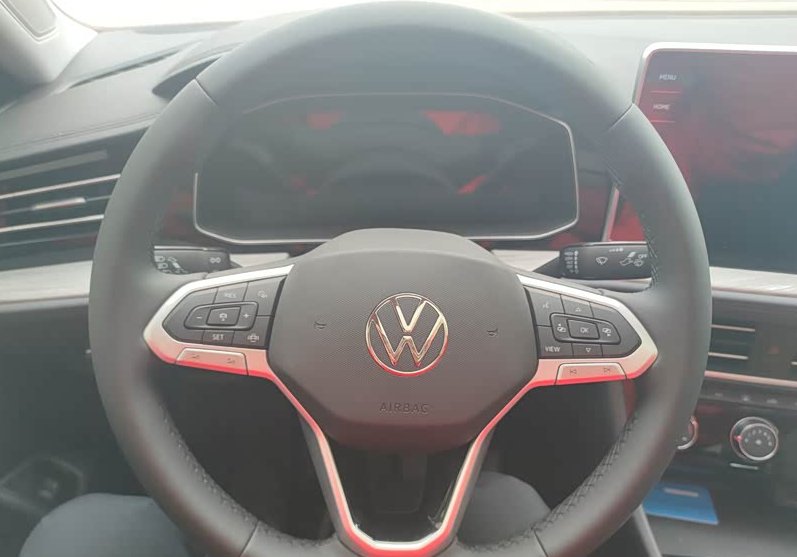
As for this DQ200 dry dual-clutch gearbox, Volkswagen has been tuning it for so many years that the logic is very mature by now. Fast shifts and high transmission efficiency are its innate advantages.
As long as you're not crawling in extreme rush-hour traffic every day, its smoothness will absolutely satisfy you. If you do hit a major traffic jam, just modulate the throttle a bit and don't let the gearbox hesitate between first and second gear, and you can still drive comfortably.
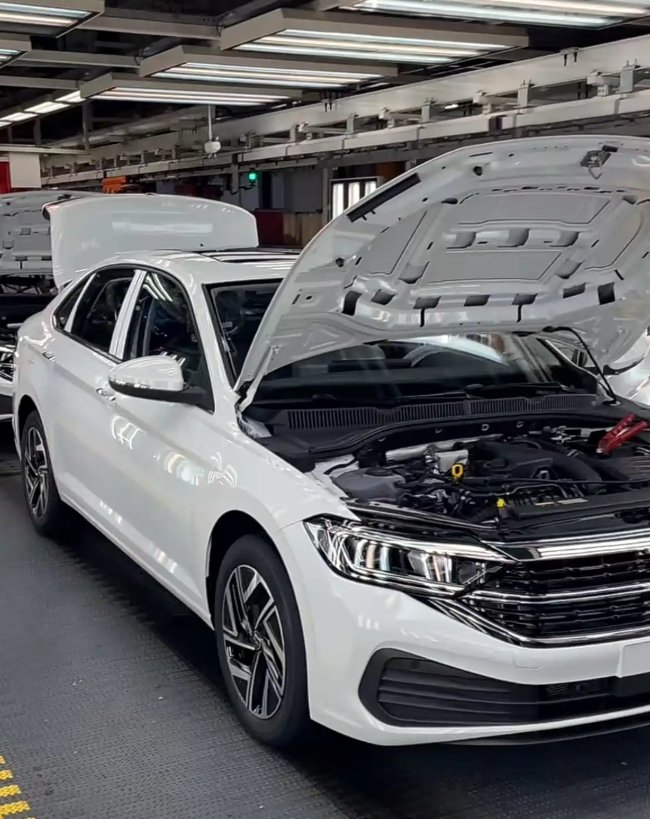
Chassis tuning still delivers authentic German feel. The suspension's initial travel filters out fine road bumps, ensuring family-friendly comfort.
Mid-to-late travel support is exceptionally strong—during high-speed cornering or lane changes, the body stays rock-solid, giving the driver great confidence. This sense of chassis solidity is something many same-class Japanese cars simply can't offer.


