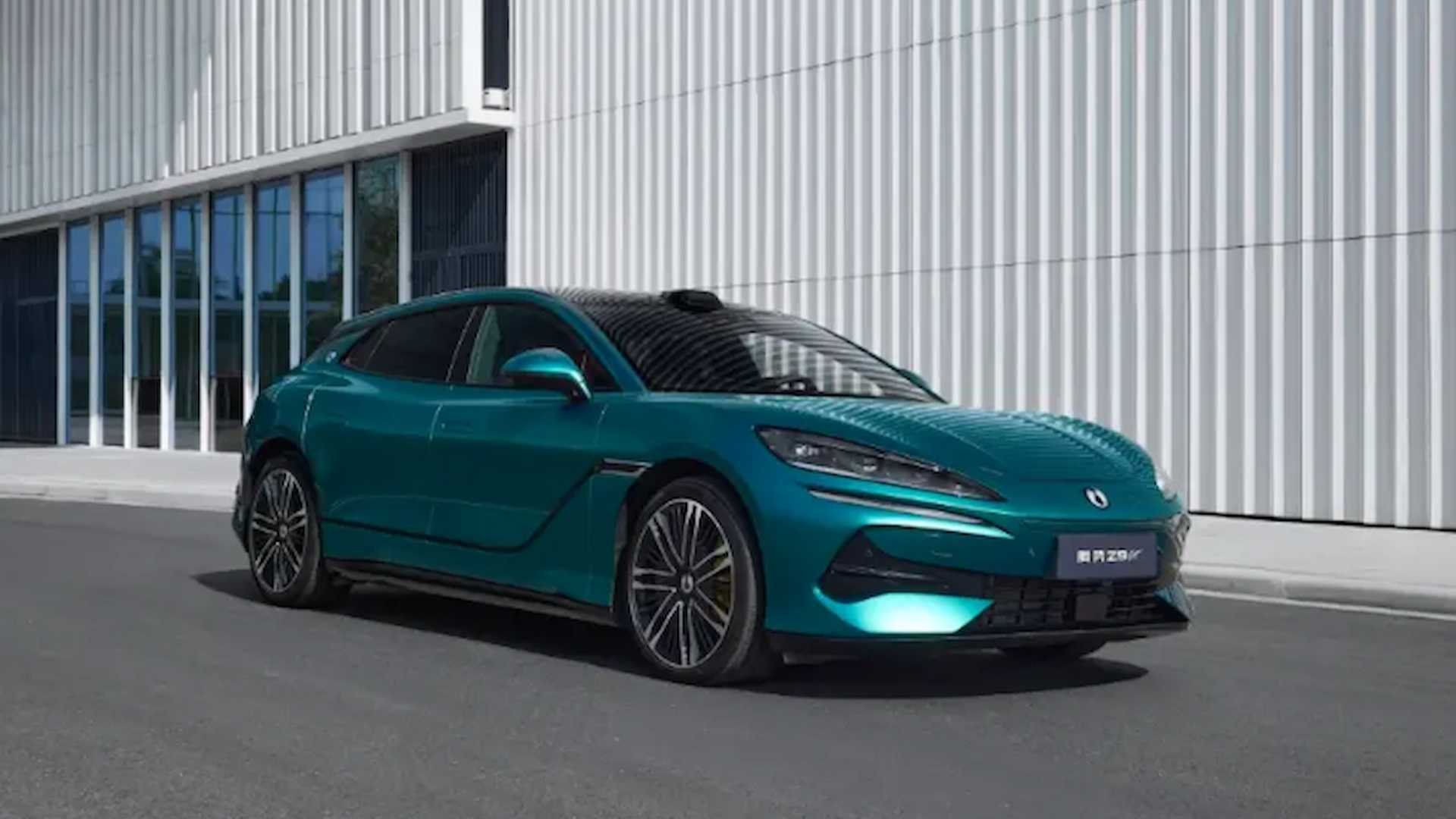
Brothers, the new registration information for the Denza Z9 and Z9GT is out. After looking at the spec sheet, I've realized BYD is getting more and more hardcore, dead set on pursuing "range violence aesthetics."
 Guess what? They've stuffed a 122.496 kWh battery pack into a sedan—this is trying to drive gas stations to their death. CLTC range directly hits 1068 km, and the Z9GT also gets 1036 km.
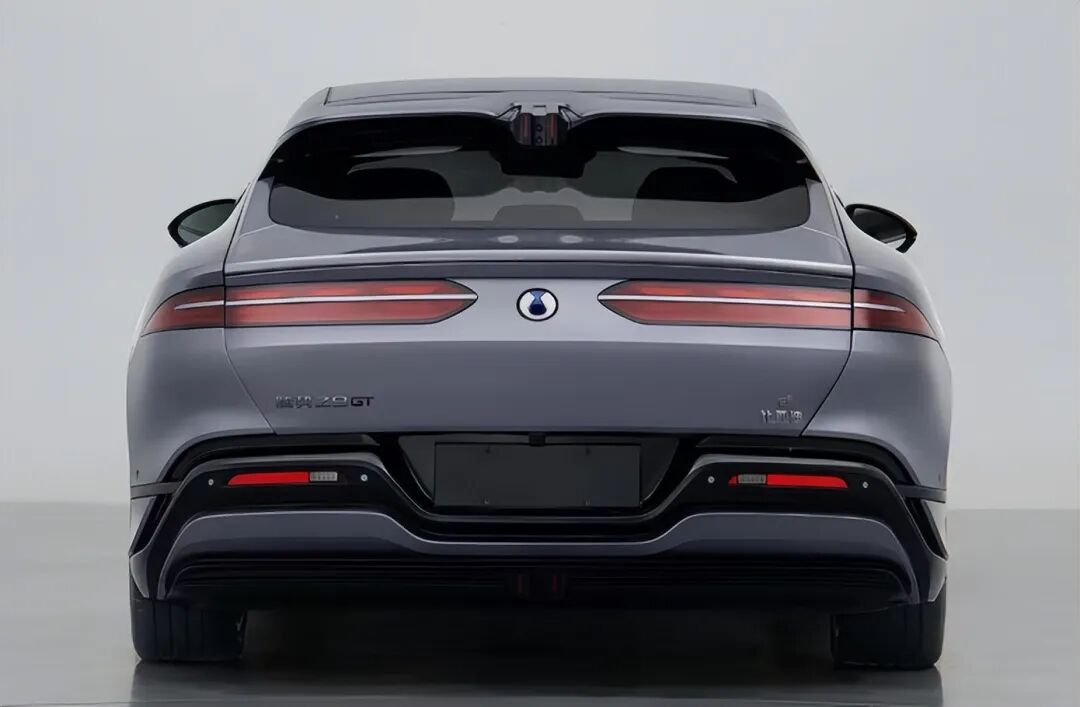 Never mind whether CLTC is a "happy table"—even at 70% of the claimed figure, this car can still run over 700 km. For those owners with range anxiety who wish they could carry a charging pile on their backs, they've got nothing to say now, right?
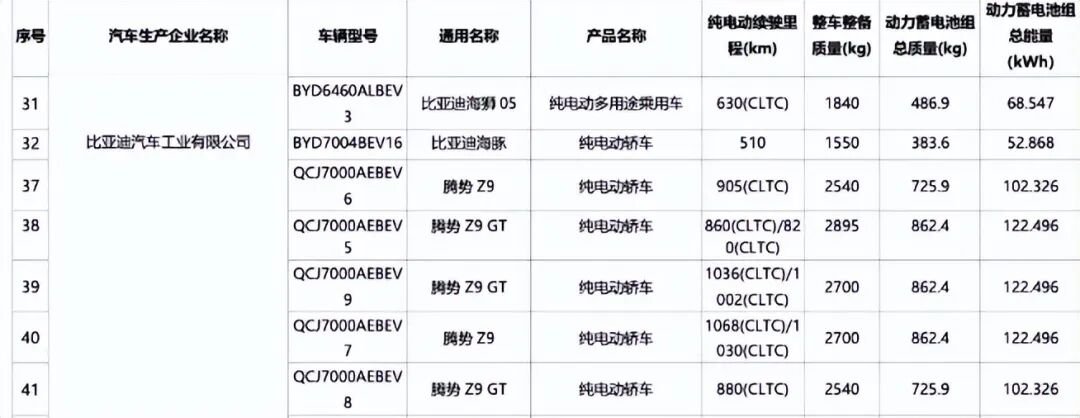 However, the side effects of a big battery are obvious—vehicle weight will definitely go up. The laws of physics are right there; if energy consumption isn't controlled well, piling on more batteries is useless. Fortunately, there's also a 102 kWh version in the registration info, with range reaching 800-900 km—that's the volume seller.
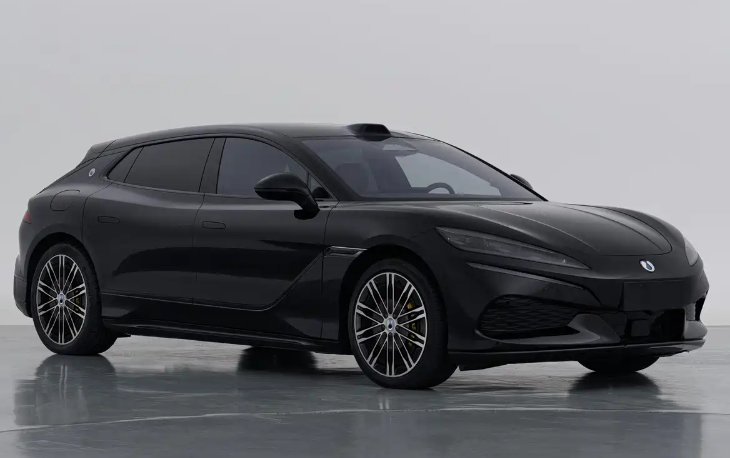
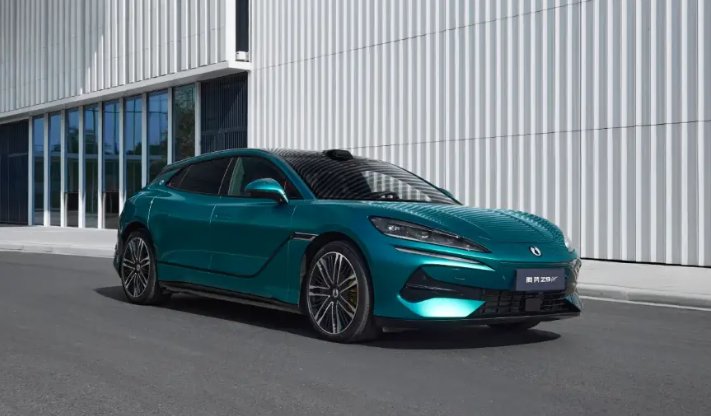 The most noticeable change in this facelift is that the LiDAR has moved to the roof. Previously it was in the bumper position—one scrape and you're looking at tens of thousands in repair costs, bleeding the owner's heart dry.
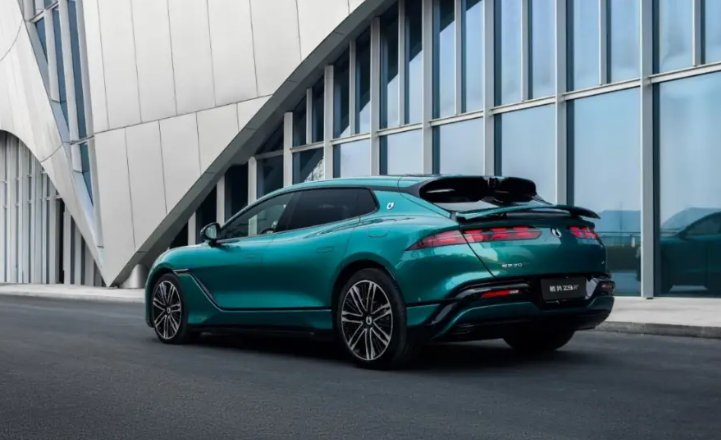 Now relocated to the top, though it looks like a "taxi light" or a horn growing out of the head—ugly as it is, the field of view is better and it's less prone to damage. This also hints that Denza's advanced driver-assist solution may have changed, most likely to accommodate higher-level urban NOA functions. If you want good driver assist, you have to tolerate a bump on the roof—that's just the current reality.
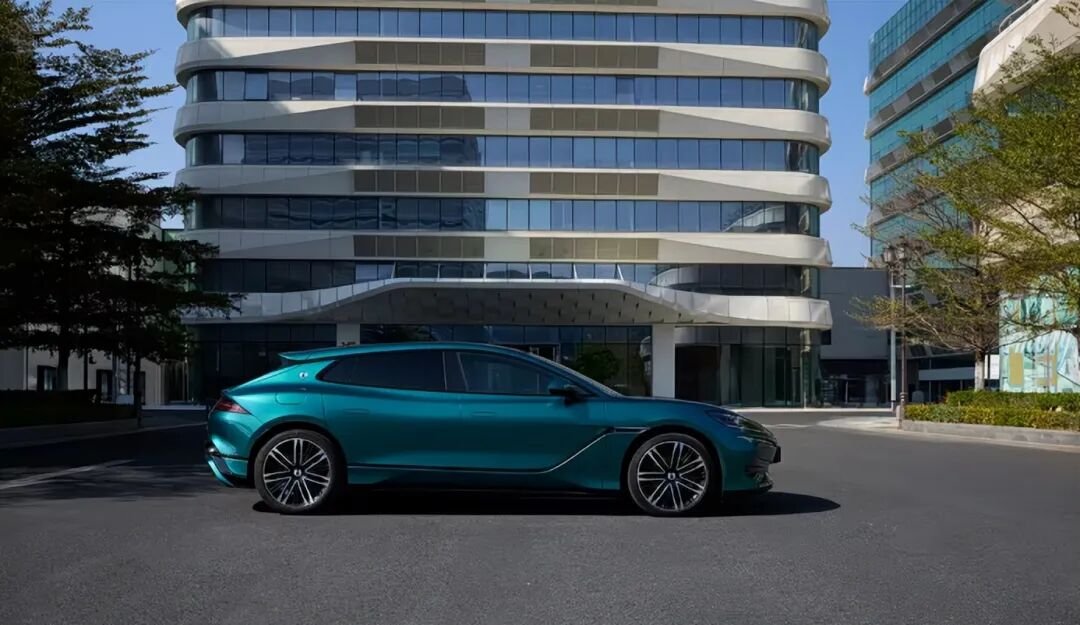 On the powertrain side, they've finally stopped insisting on tri-motor across the board. A single-motor version has been registered, with a maximum power of 370 kW. 370 kW translates to about 500 horsepower—completely excessive for daily commuting and highway overtaking.
 The previous e³ tri-motor setup was indeed fierce, but for most people, that's overkill performance, and you'd have to pay for the extra motors and electronic controls. The purpose of the single-motor version is crystal clear: lower the entry barrier and engage in close combat with rivals like the Xiaomi SU7 and Zeekr 001.
 The plug-in hybrid version isn't left out either—a 63.82 kWh large battery delivers 301 km of pure electric range (WLTC). Drive it as an EV in the city, use gas for long trips—this logic really fits mainstream needs today. Now about design—those "double star crown" headlights and the massive taillights have recognizability, but whether they look good is still up for debate. Especially that nearly 2-meter body width—parking in old residential compounds or narrow spaces is a real nightmare. Even with rear-wheel steering helping, the physical dimensions are what they are—entering and exiting underground garages requires constant vigilance.
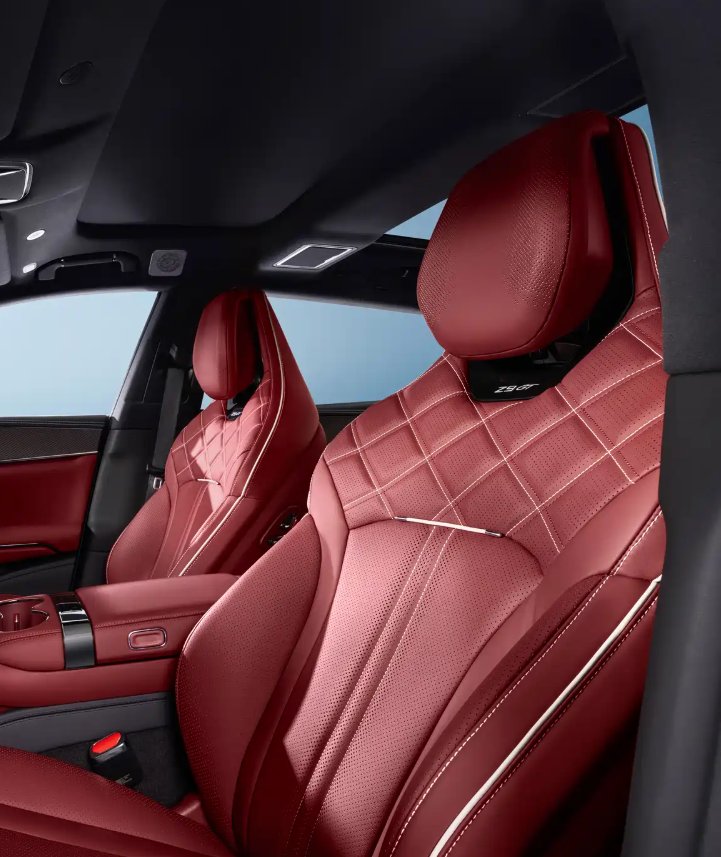
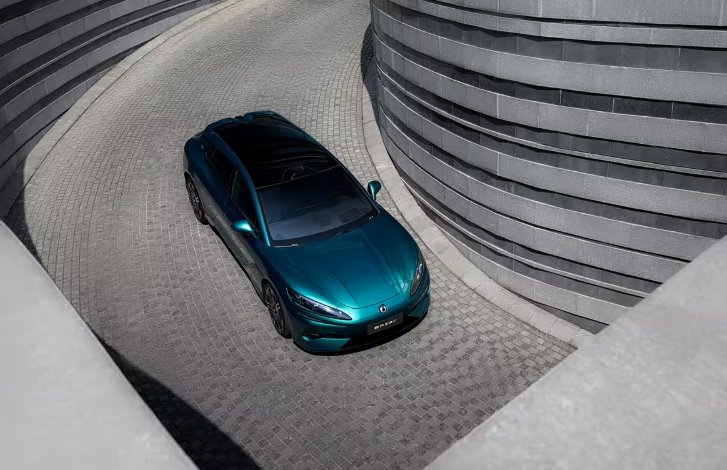 They've also added a new "Fjord Green" color and new 21-inch wheels—just giving the aesthetics crowd more options, nothing earth-shattering. As for interior changes, the one-piece sport seats and lava red color scheme—quite a passionate name, but the actual seating feel will have to wait for a real-car experience. If comfort is sacrificed for sportiness, that would be a net loss—after all, most people buying this car still need to balance family use.
 The core logic of this Denza Z9 series facelift comes down to two points: first, solve range anxiety with a big battery; second, lower the price barrier with a single motor. For buyers with money in hand waiting to purchase, the single-motor long-range version is likely the most attractive. It has face, it has substance, and most importantly, the price can come down. As for the tri-motor version, leave it for the wealthy and performance enthusiasts to enjoy. The only remaining suspense now is the price. If the single-motor version can offer a surprise price, this car could really stir up quite a wave in the luxury mid-to-large sedan market. If they still put on airs, then neighboring competitors will probably laugh themselves awake.