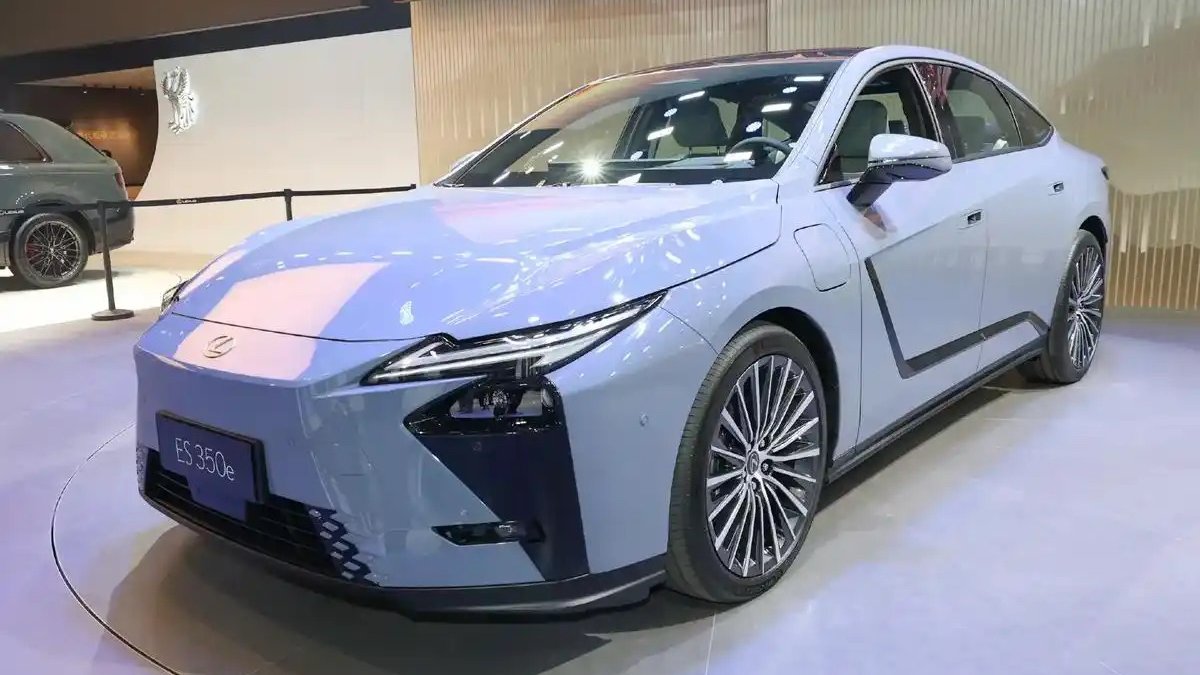
Under the spotlight of the 2025 Shanghai International Auto Show, the all-new generation Lexus ES has officially been unveiled. Facing the new energy revolution sweeping the global automotive industry, this luxury brand that has always adhered to Eastern aesthetics and craftsmanship philosophy has given its own answer with a unique product philosophy.
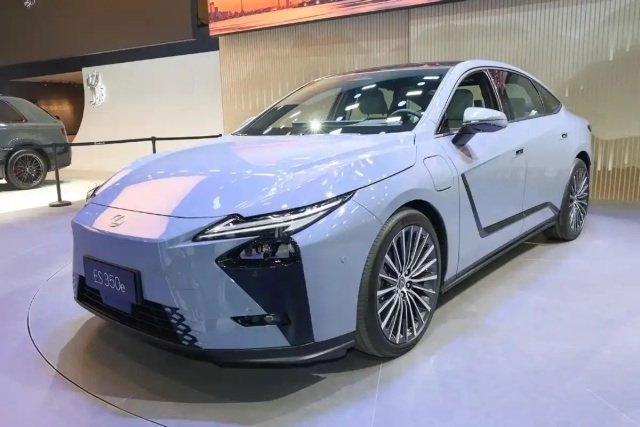
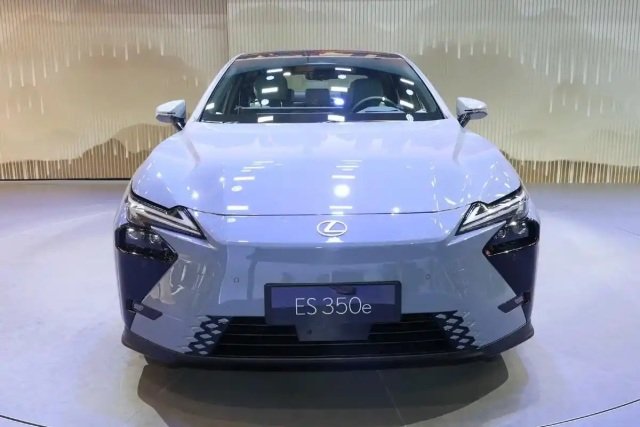
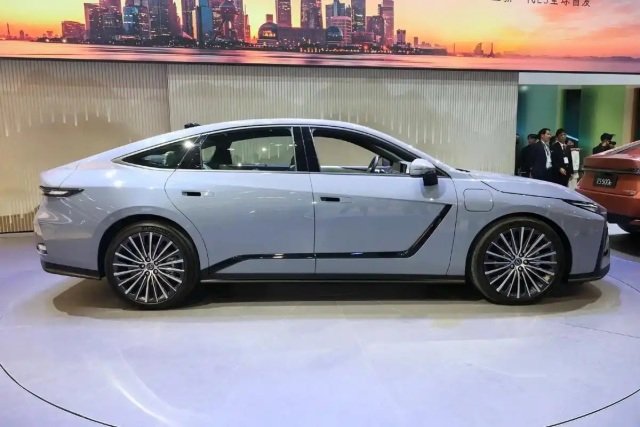
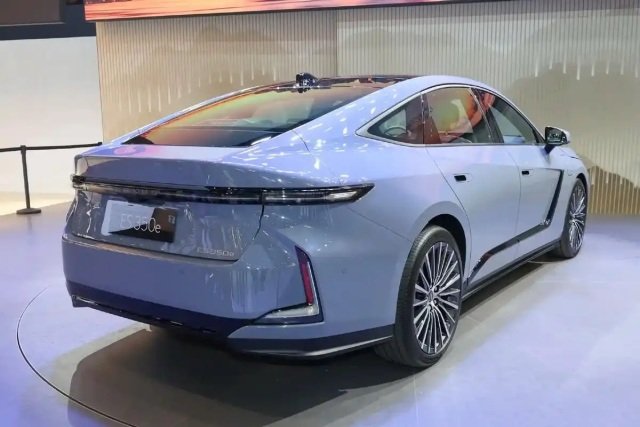
Let's start with the most intuitive visual impact. The closed front face design of the all-new ES can be called the boldest attempt in the brand's history. The originally iconic spindle grille has evolved into a "frameless" light-effect array, paired with split-type lightning daytime running lights, presenting a futuristic feel similar to a concept car. The body side adopts a fastback design, and with the ultra-long wheelbase of 2950mm, while maintaining the grandeur and steadiness expected of an executive-class sedan, it also incorporates the agile genes of a sporty coupe.
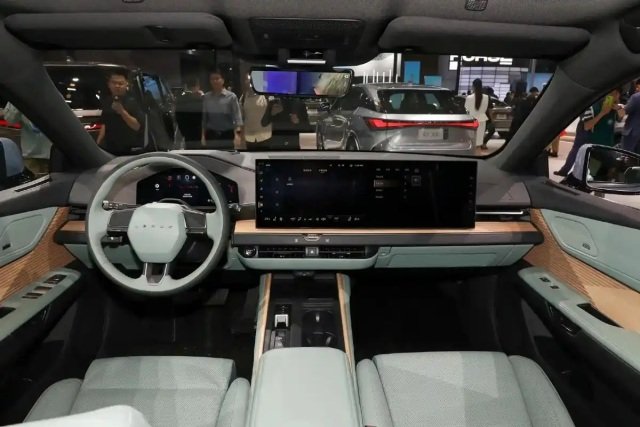
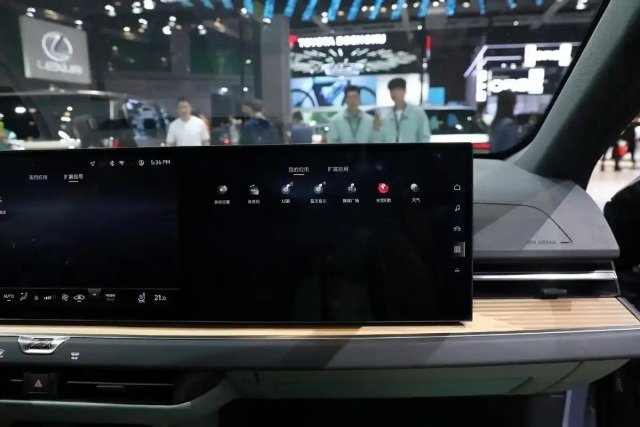
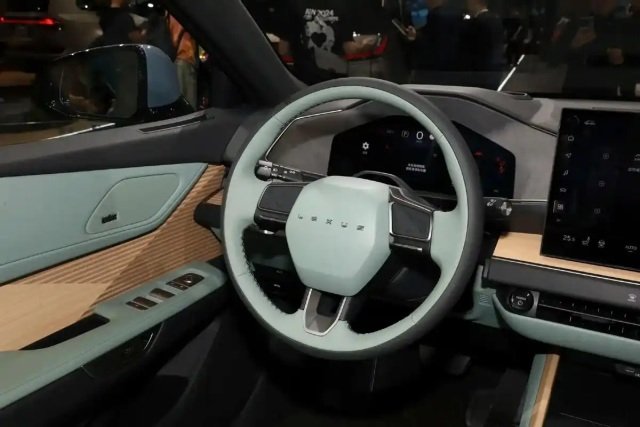
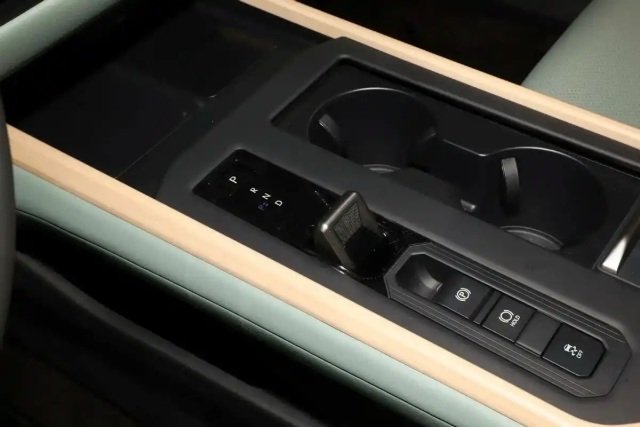
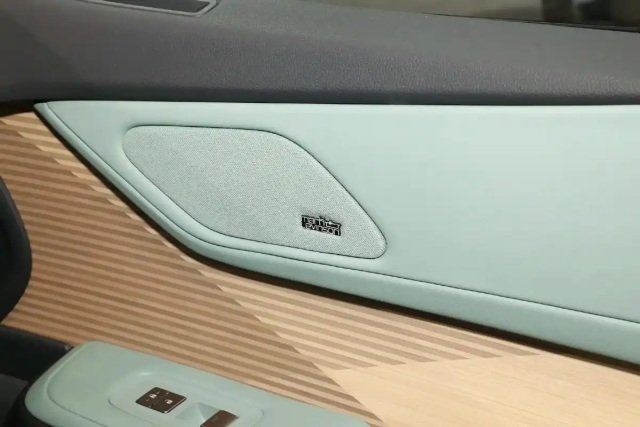
Stepping into the cabin, the application of bamboo fiber light-transmitting trim panels is truly the finishing touch. It not only continues the Eastern aesthetics that Lexus excels at, but also cleverly echoes the new energy theme. Although the dual-screen design is not the first of its kind, the curved processing of the irregular instrument panel and the layout of physical buttons below the screen achieve a delicate balance between technological feel and practicality.
The innovation in the powertrain system is the real highlight of this generation change. The hybrid 300h version optimizes the fifth-generation THS system to be even smoother, and the motor intervention under urban driving conditions is almost imperceptible. The pure electric 500e model is equipped with a 100kWh battery, and with the intelligent all-wheel-drive system, it not only ensures a range of 680km but also retains Lexus's consistent elegant acceleration quality.
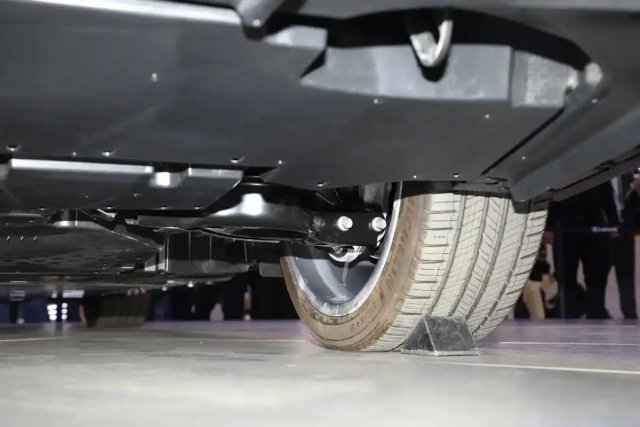
At the handling level, the addition of the rear-wheel steering system (the rear wheels can achieve 4° counter-steering) doubles the agility of this five-meter-class large car, and actual testing shows that the U-turn radius in urban areas is almost comparable to that of a compact sedan. The front suspension still adopts an improved MacPherson structure. Although it is tuned comfortably enough, it is still slightly inferior to a multi-link structure during limit handling.
In terms of intelligent configuration, an objective evaluation must be made. Although the active safety functions of the TSS+ system are comprehensive enough, the existing L2-level assisted driving indeed lags behind emerging forces. As for the infotainment system, smoothness and voice recognition rates have improved noticeably, but the richness of the application ecosystem still needs to be strengthened.
Overall, this generation change is not only Lexus's comprehensive response to the electrification era, but also demonstrates a unique path for the transformation of traditional luxury brands. It does not blindly pile up screens or computing power, but organically integrates Eastern aesthetics with new energy technology, bringing a refreshing technological experience while adhering to its true nature of comfort and luxury. However, in this era of "software-defined vehicles," Lexus still needs to accelerate its pace in building an intelligent ecosystem.


