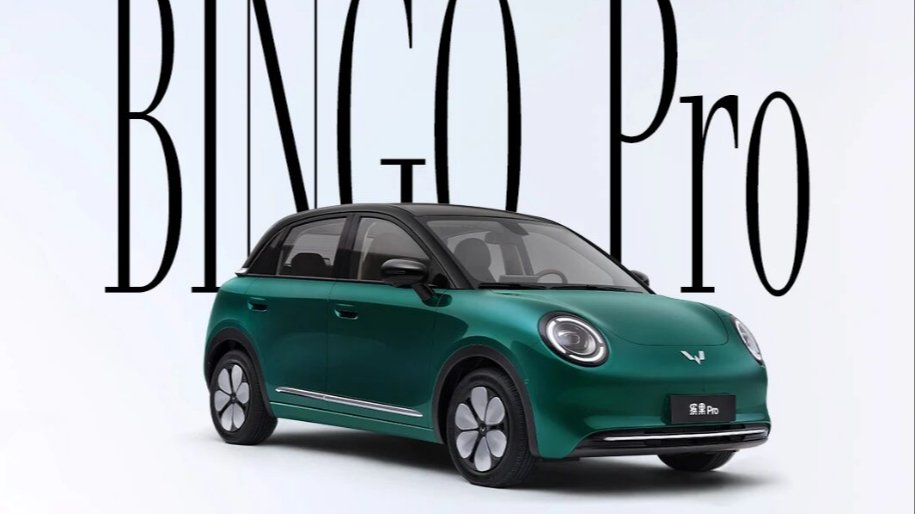
On March 27, the Wuling Bingo Pro made its debut in Zhuhai. Positioned as a small pure electric vehicle, the model measures 4050 mm in length, 1758 mm in width, and 1580 mm in height, with a wheelbase of 2560 mm, placing it between the Bingo and the Bingo S.
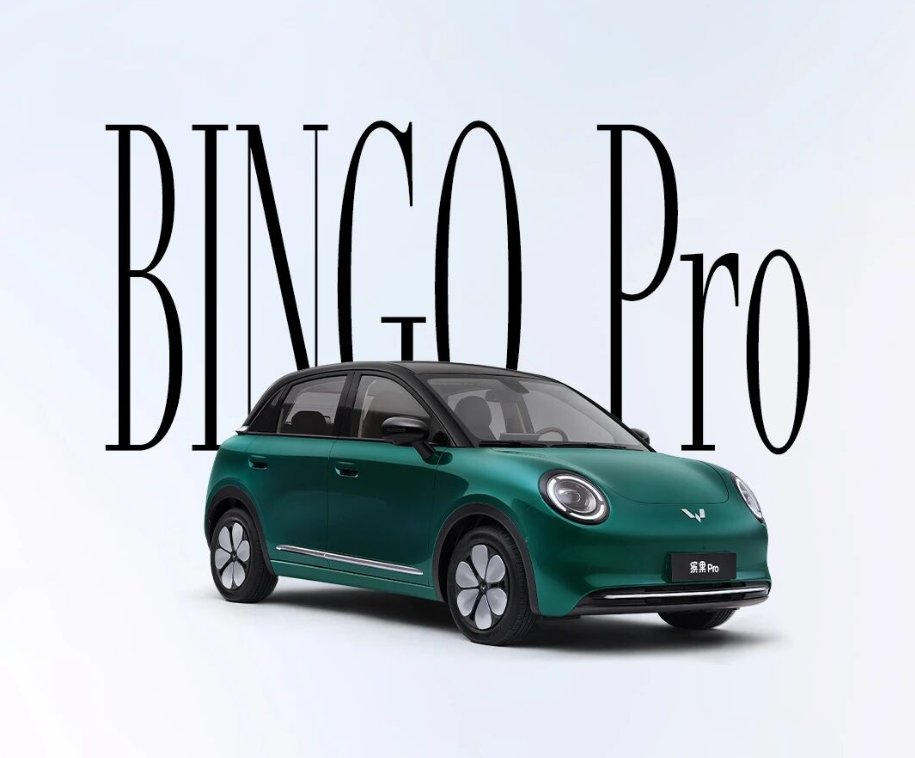
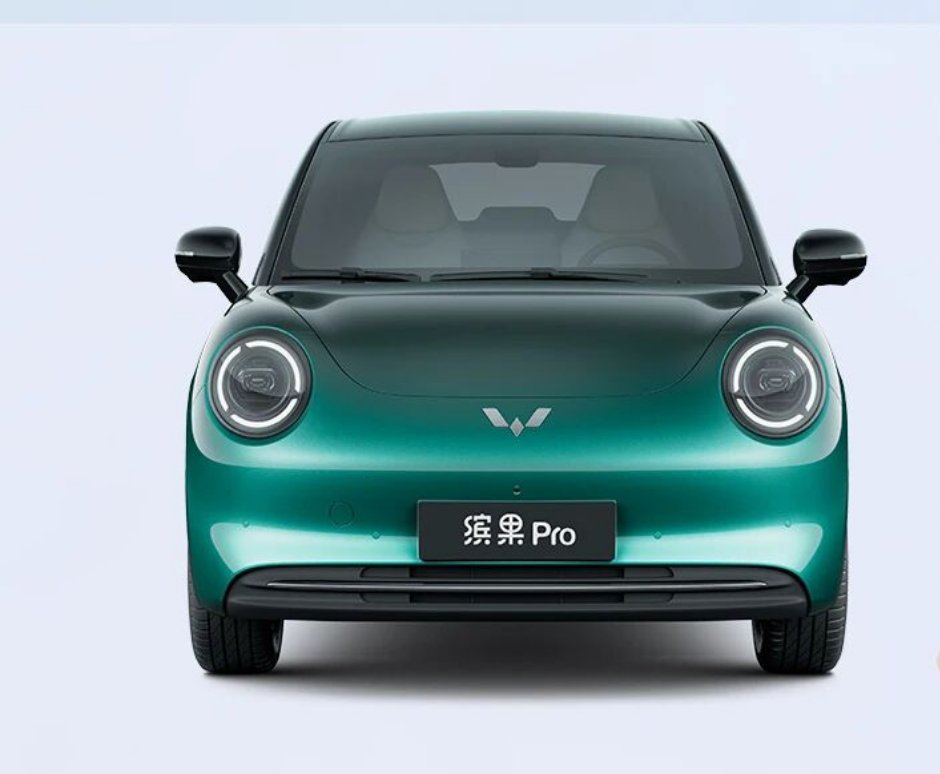
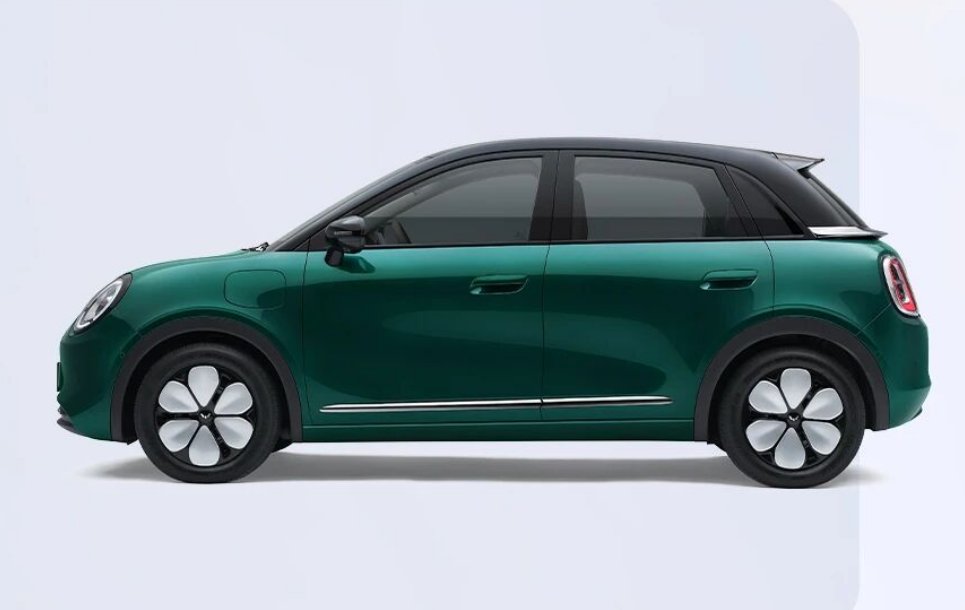
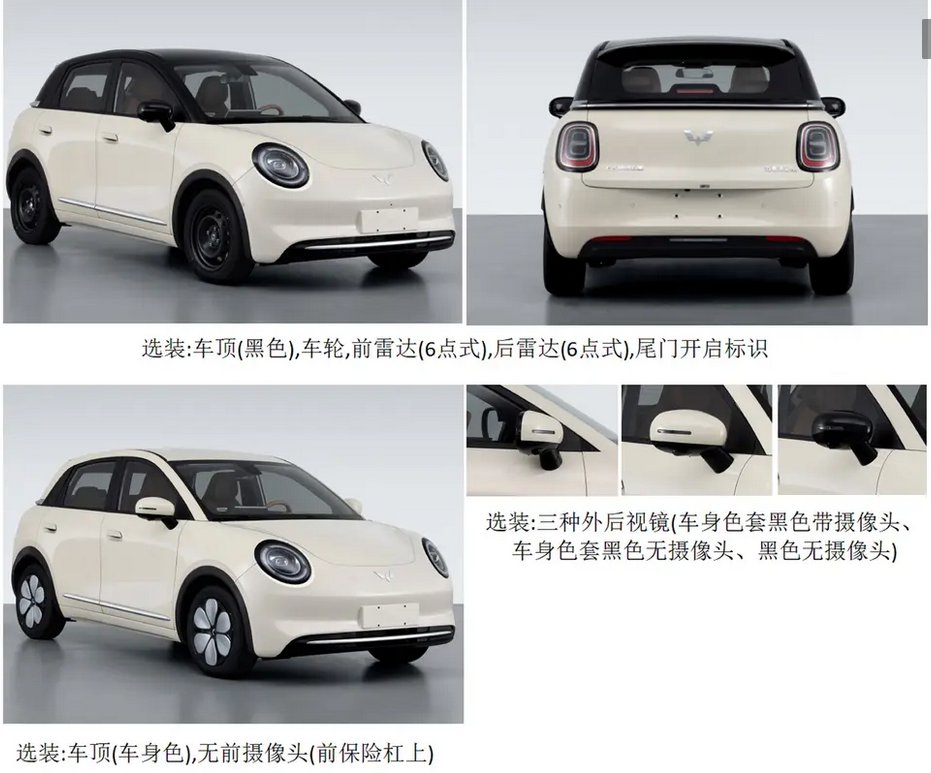
Externally, the Bingo Pro features dual circular headlight clusters with ring-shaped daytime running lights and lens-based LED headlights, continuing the Bingo family's rounded, retro design language. The body adopts a two-tone design, with a charging port located on the front fender and 16-inch petal-style low-drag wheels. At the rear, the taillights are vertically arranged, and the rear spoiler is finished in a metallic material. The new car is available in four body colors: Hepburn Green, Roaming Silver, Relaxed Gray, and Blank White.
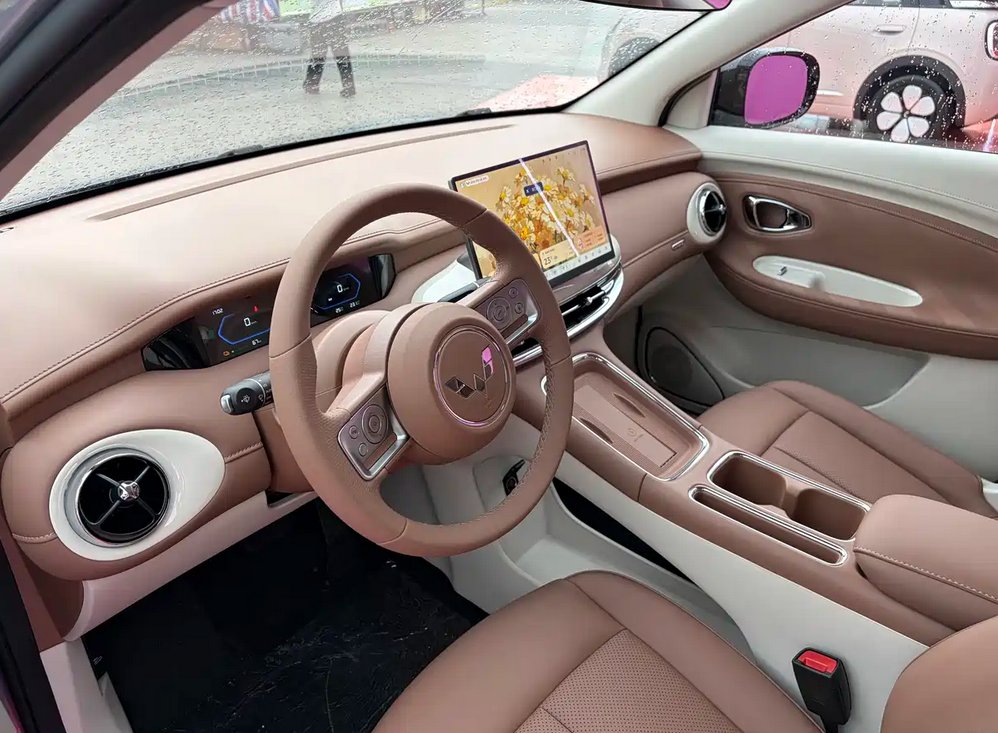
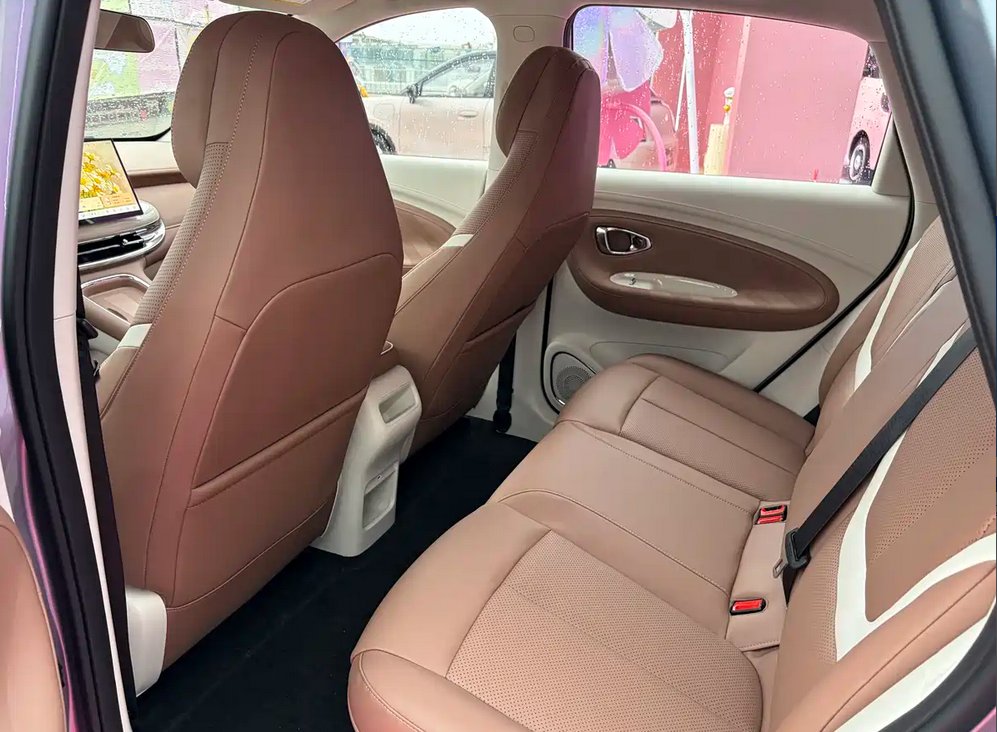
Inside, the Bingo Pro adopts a five-seat layout, a notable change from the current Bingo's four-seat design. The overall style leans retro, with a floating screen on the center console rather than a dual-screen setup, and the air vents also feature a new shape. Gear selection is via a column-mounted shifter, which frees up considerable storage space in the central tunnel area. The front row is equipped with integrated seats, and the interior color scheme offers two choices: light beige brown and caramel coffee. The physical buttons in the cabin have been specially shaped for users with long nails—a detail rarely seen in today's small electric vehicles.
Commentary: Since the current Bingo launched in 2023, cumulative sales of the Bingo family have exceeded 680,000 units. The introduction of this Pro version, while keeping the platform architecture stable, optimizes the three dimensions most frequently raised in user feedback: power, space, and range. The five-seat layout and the introduction of a 65 kW motor expand the model's use cases from pure urban commuting to suburban trips and short long-distance travel.
According to currently disclosed information, the Bingo Pro has opted for a "standard equipment on base trim + optional high-level features" approach. Features such as front radar and cameras require extra-cost options, meaning the entry-level model may be simplified in terms of intelligent perception hardware. This configuration strategy helps lower the entry threshold, but for users who value driver-assistance features, attention should be paid to the specific contents of the option packages.